
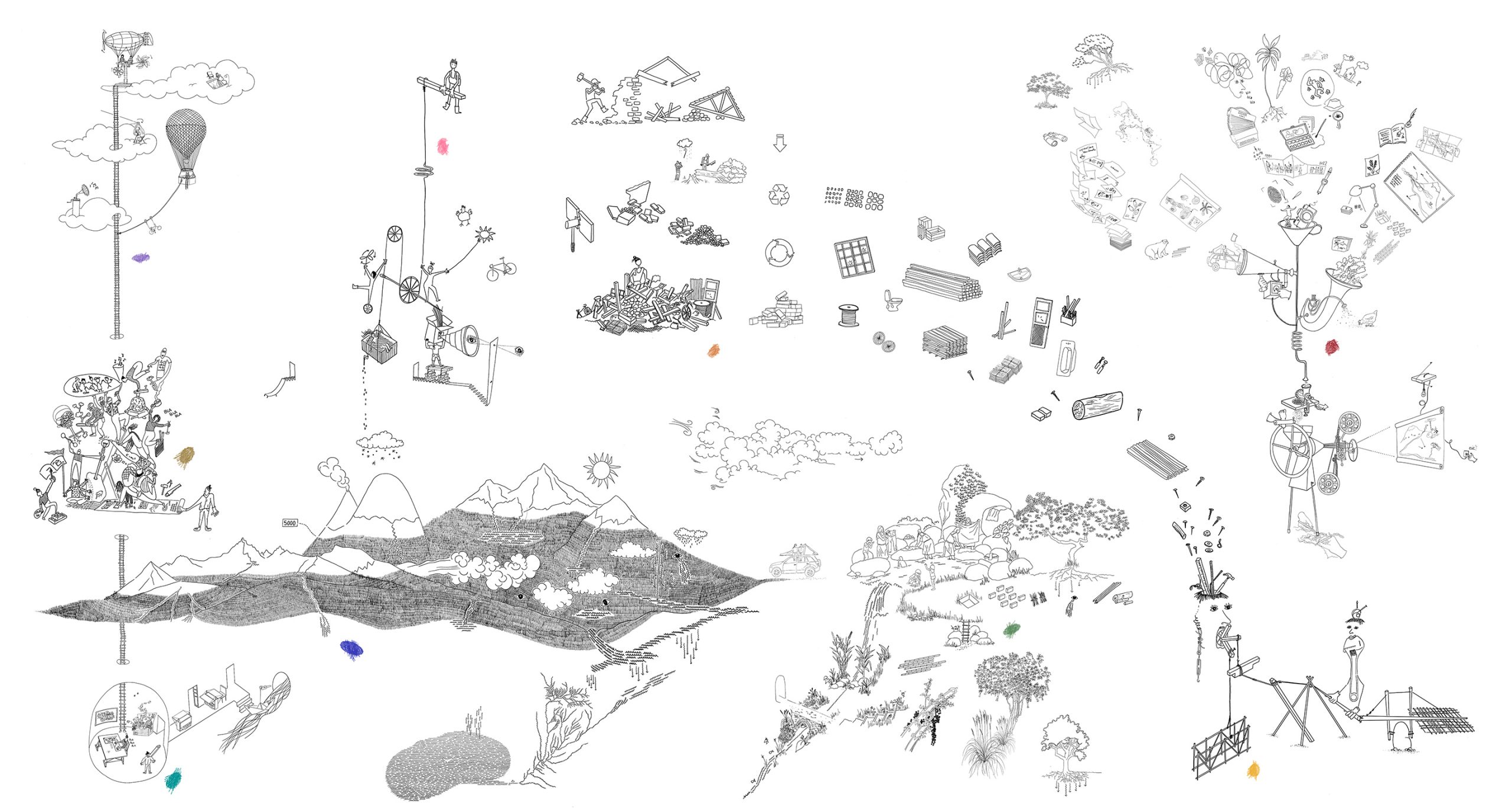
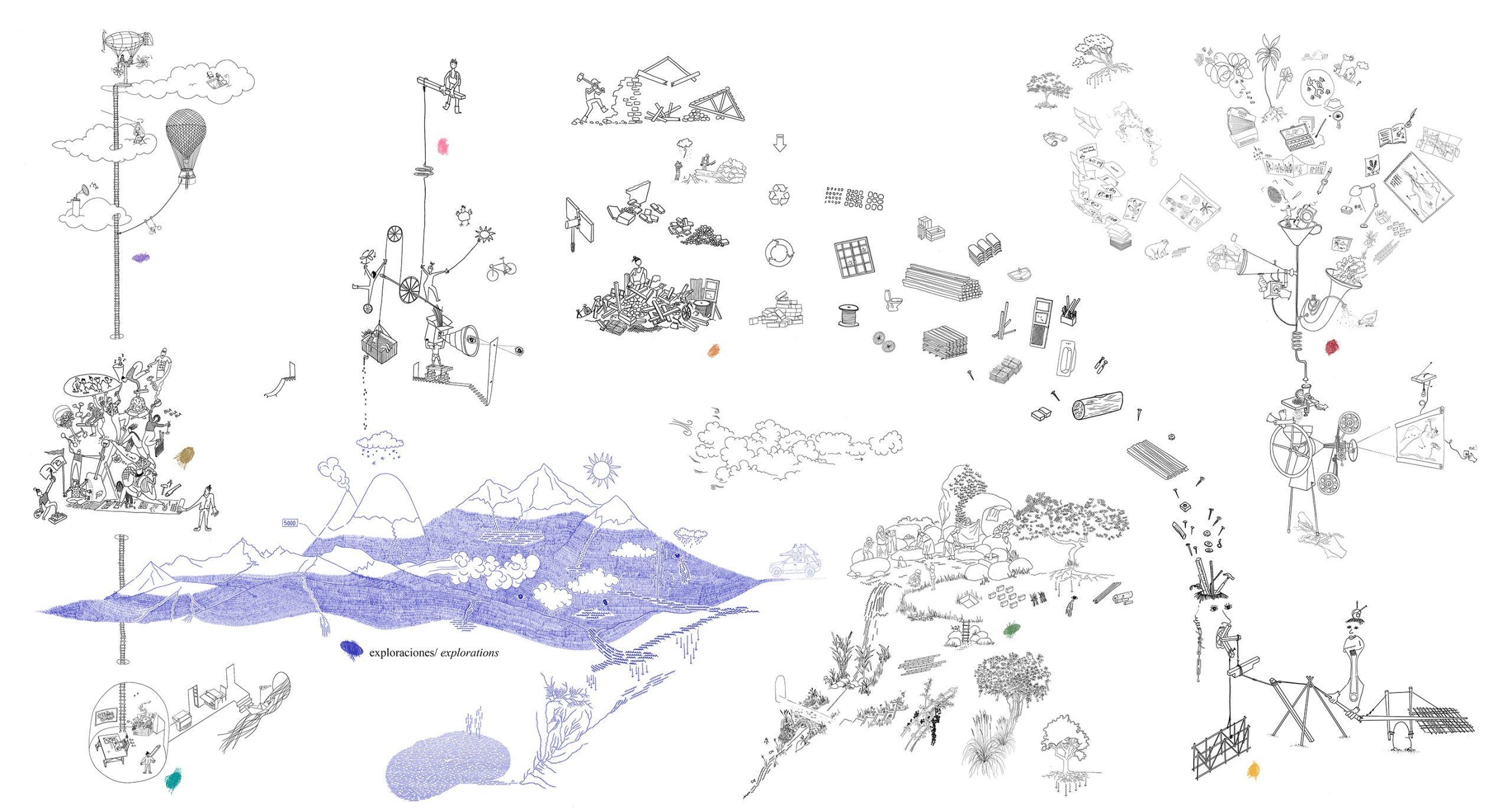
Exploraciones/ Explorations
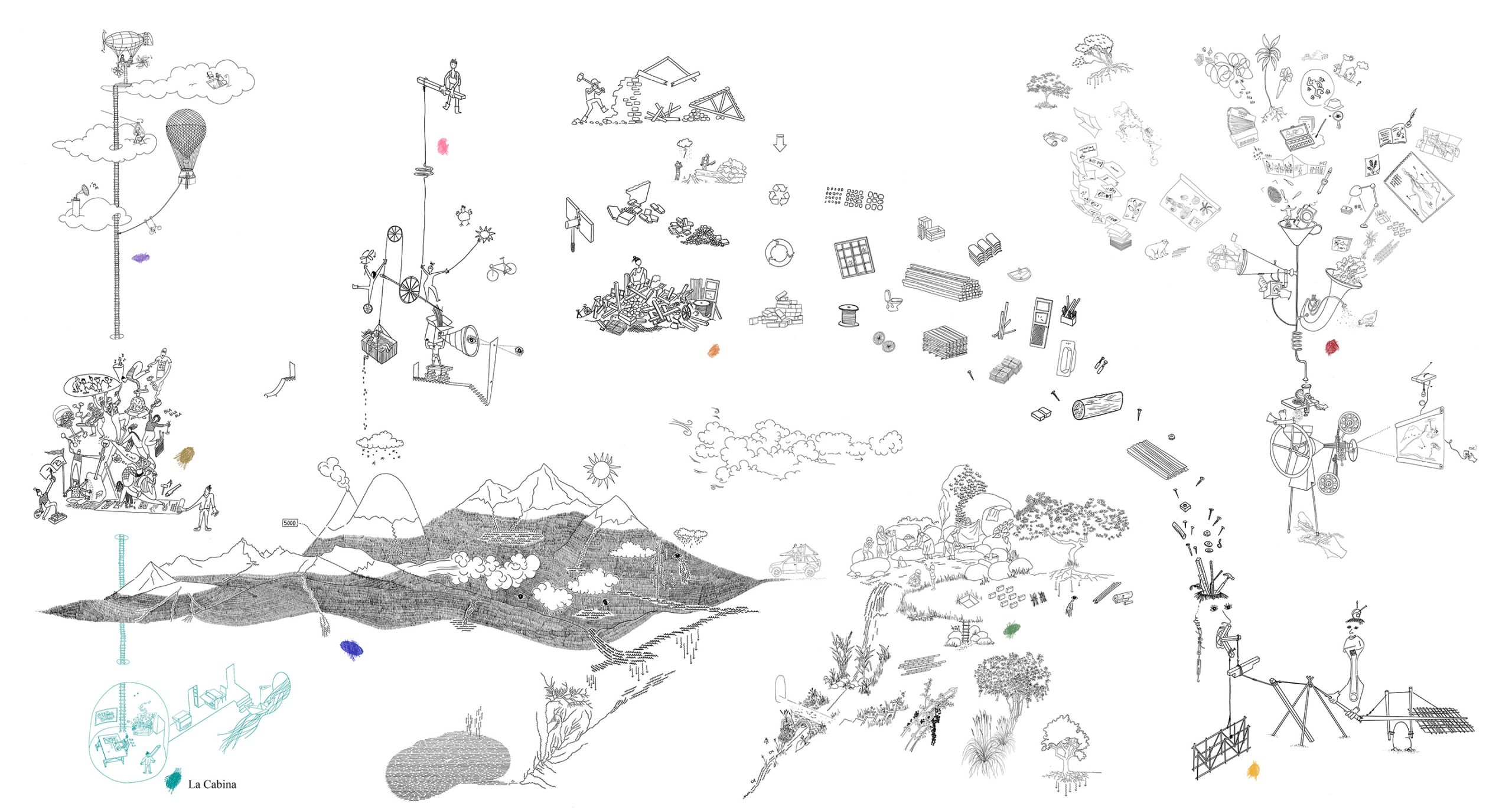
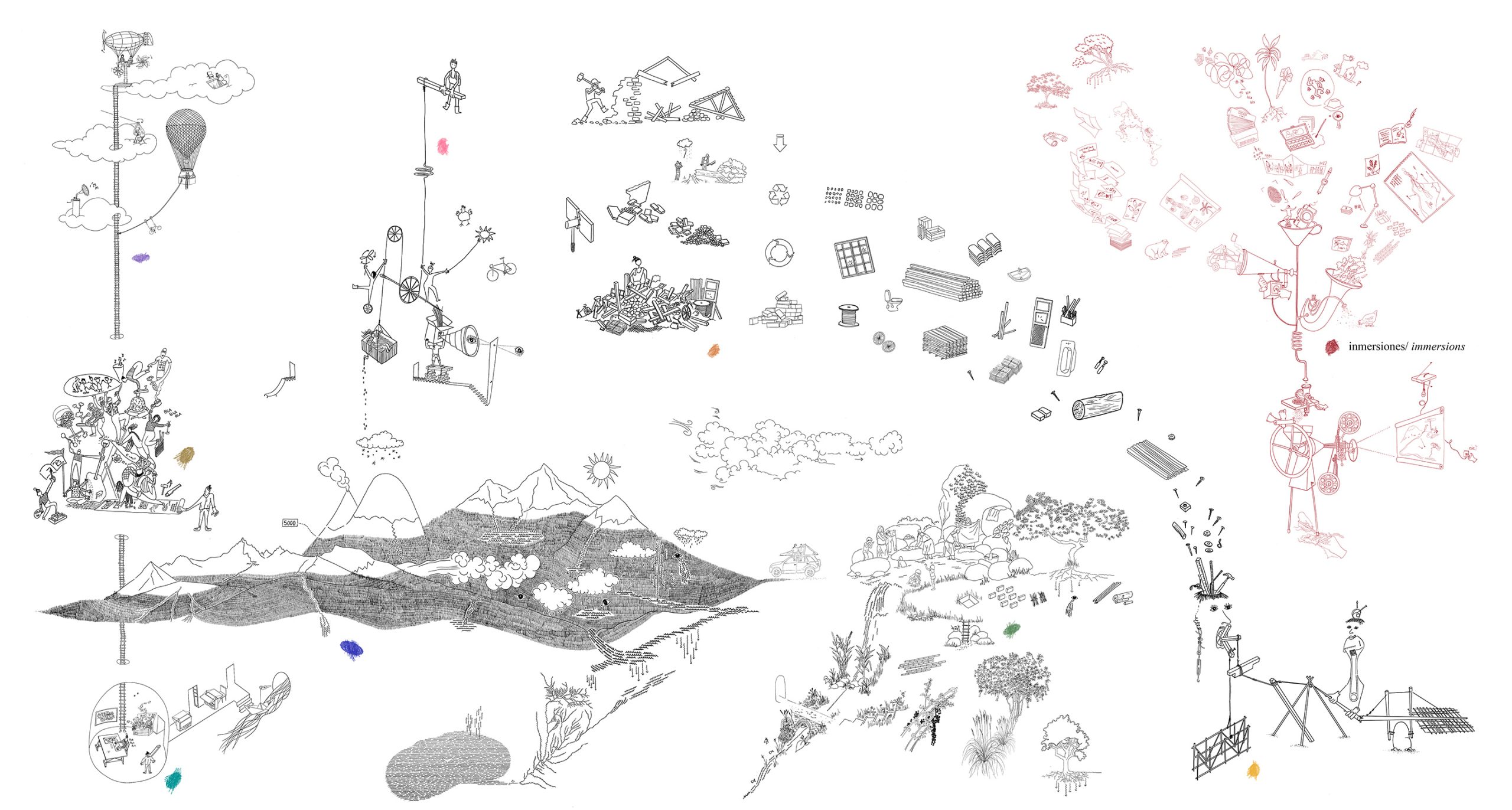
Inmersiones/ Inmersions


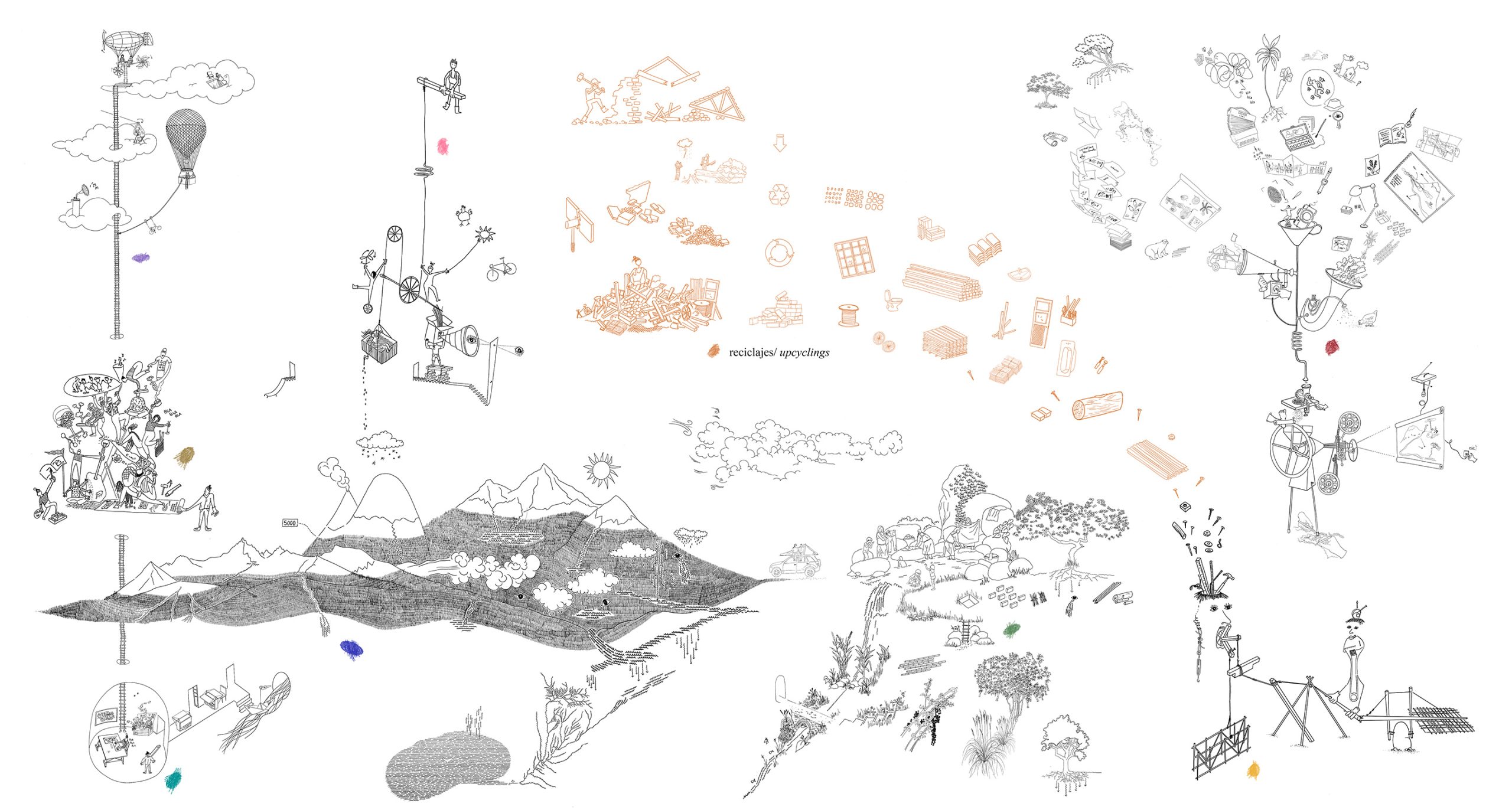
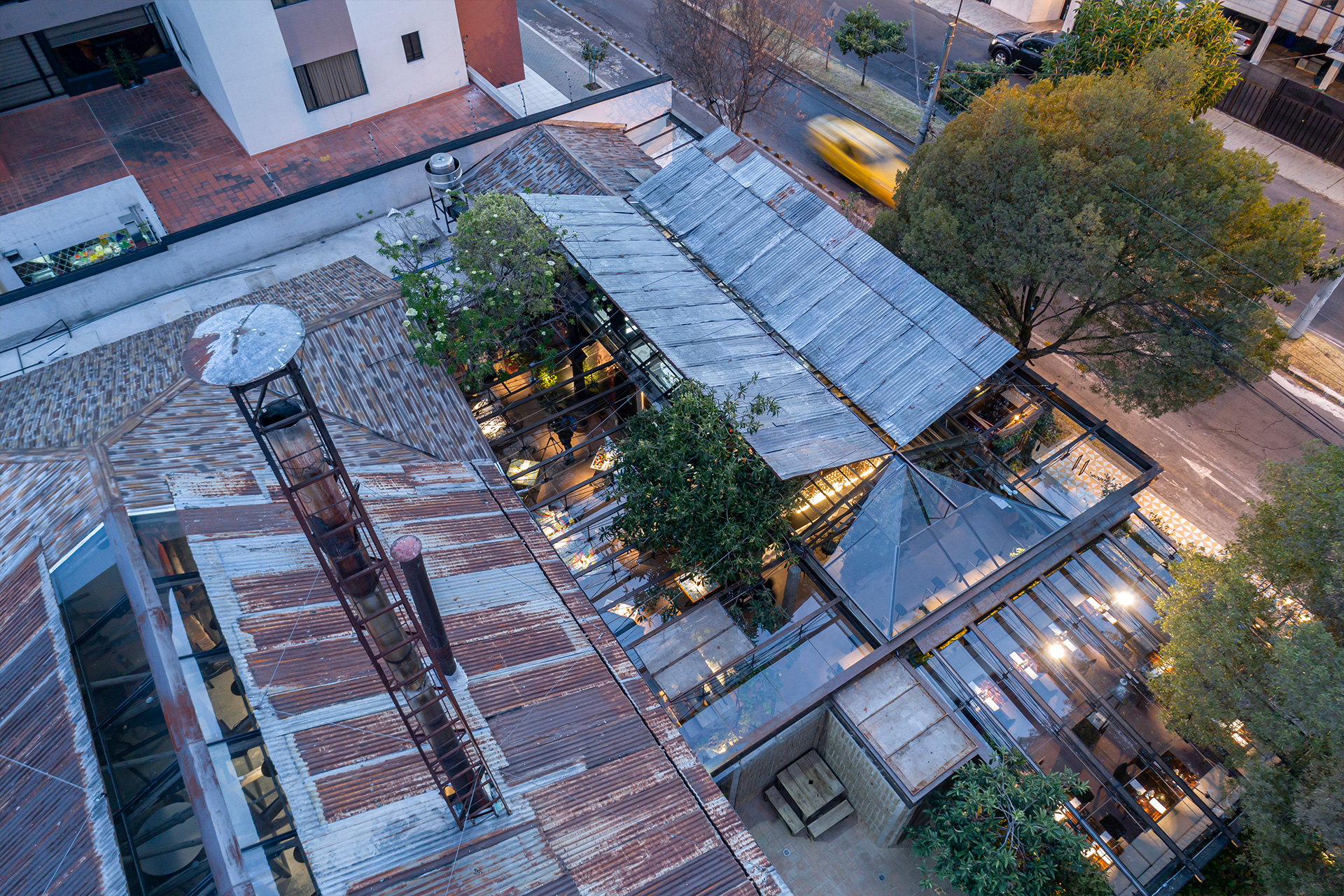
Reciclaje/ Upcycling
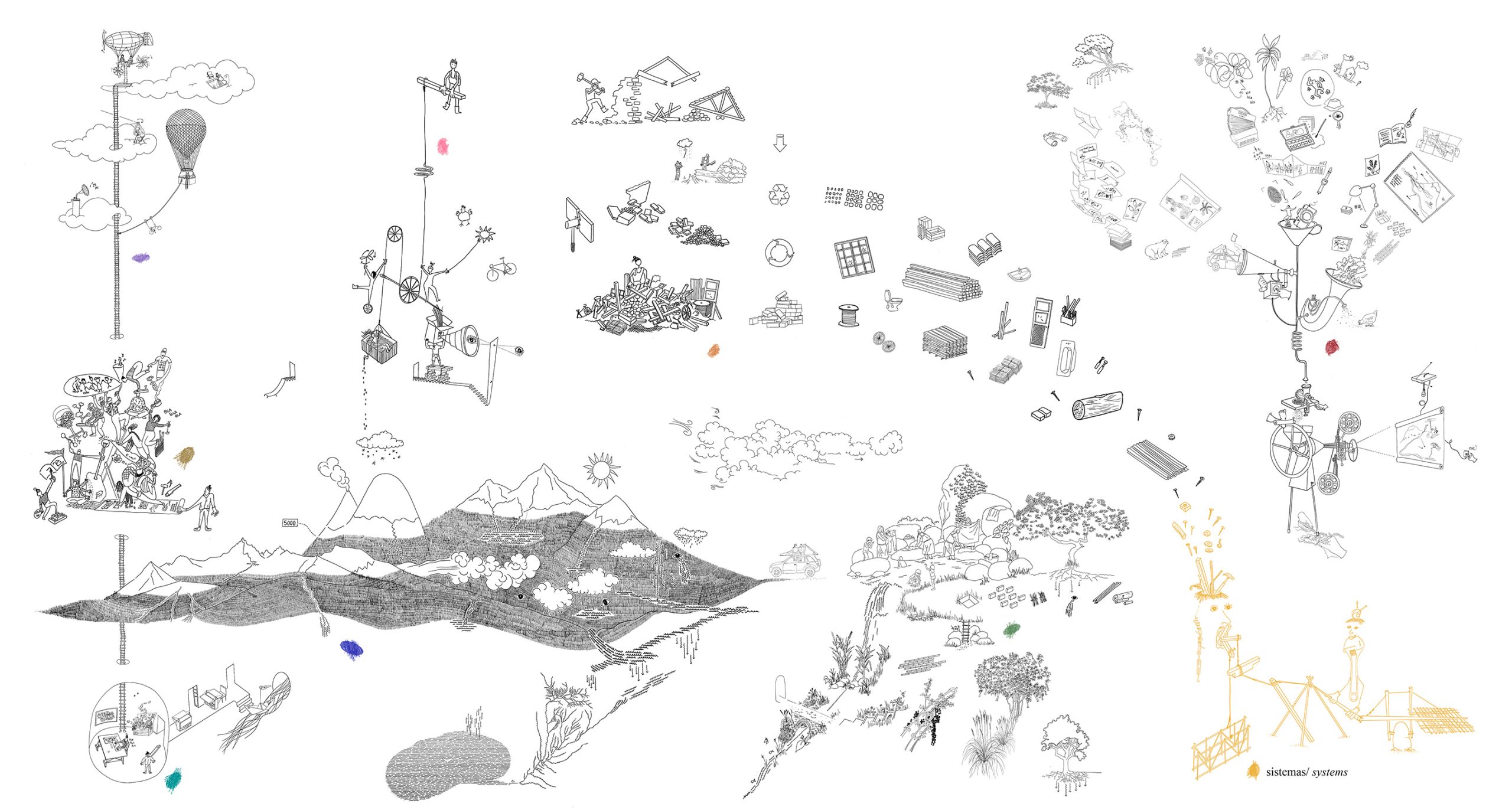
Sistemas/ Systems
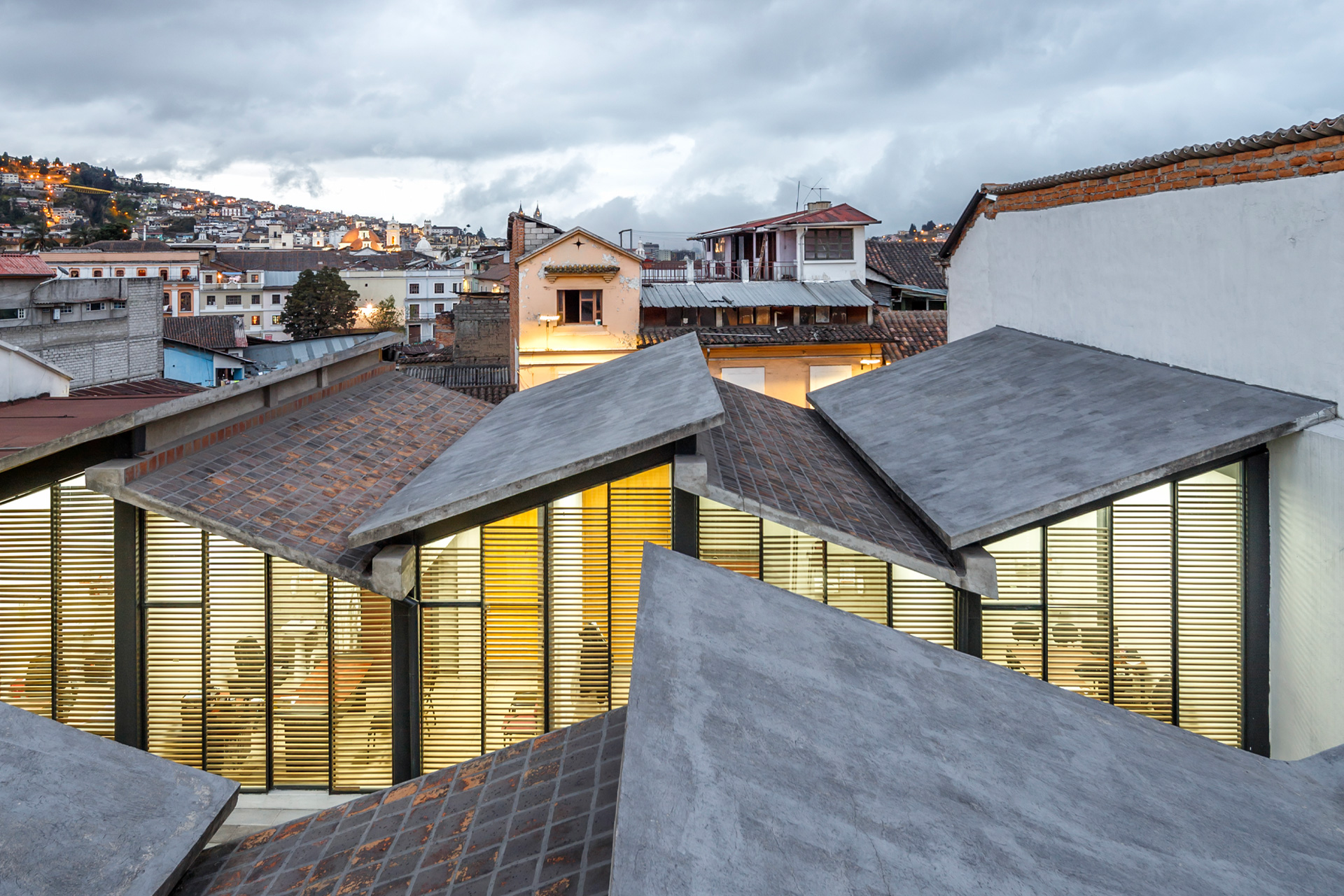
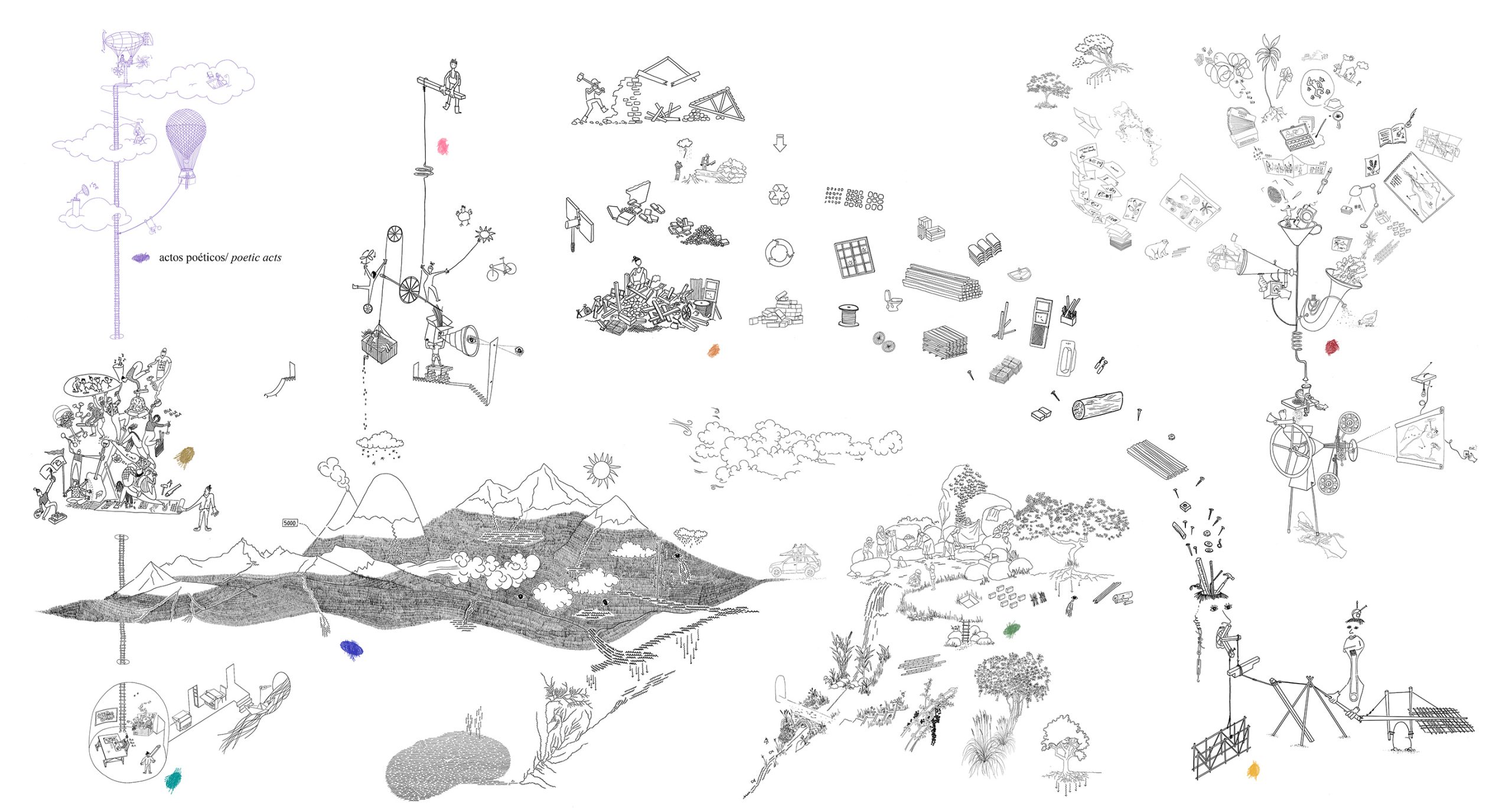
Actos poéticos/Poetic Acts
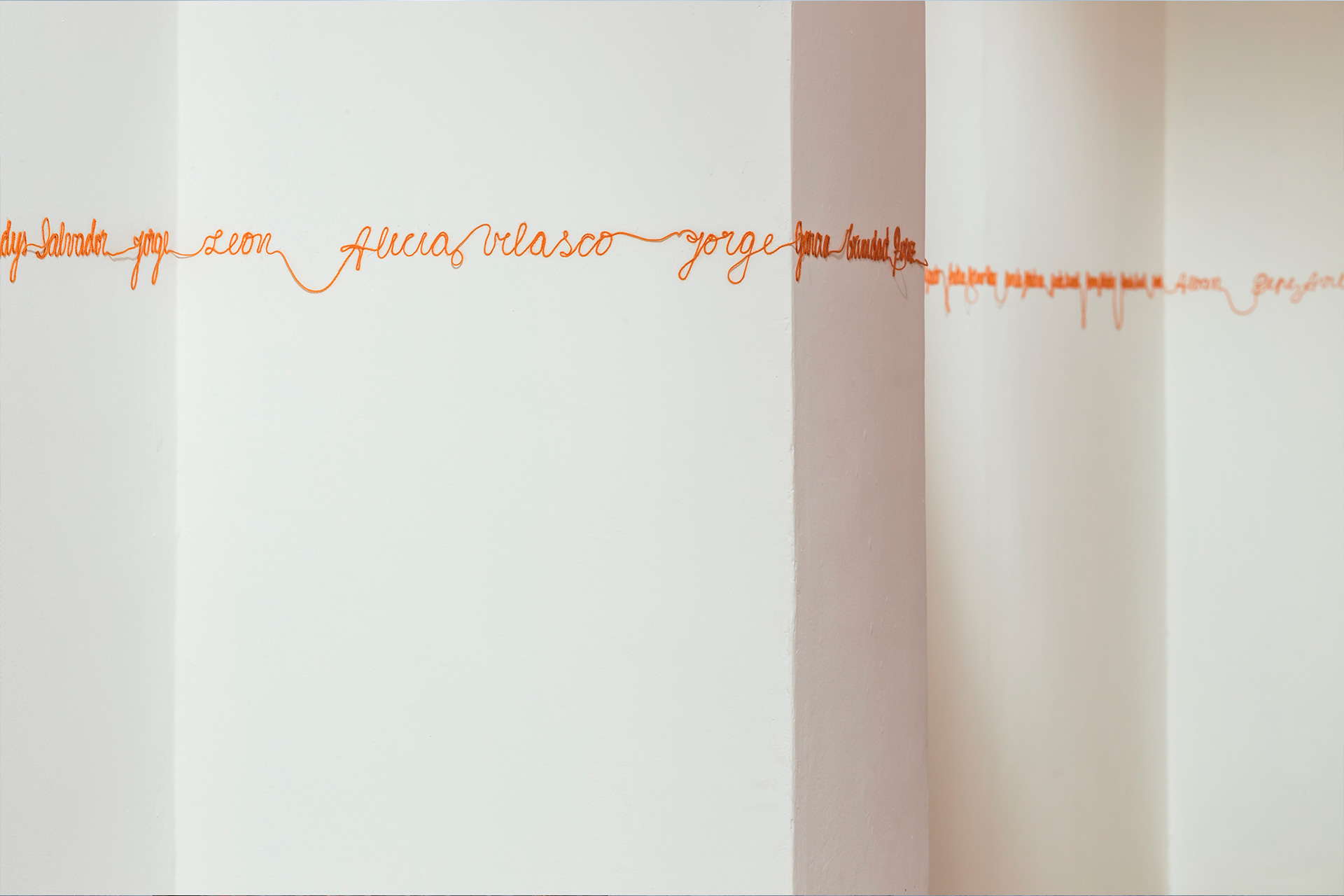
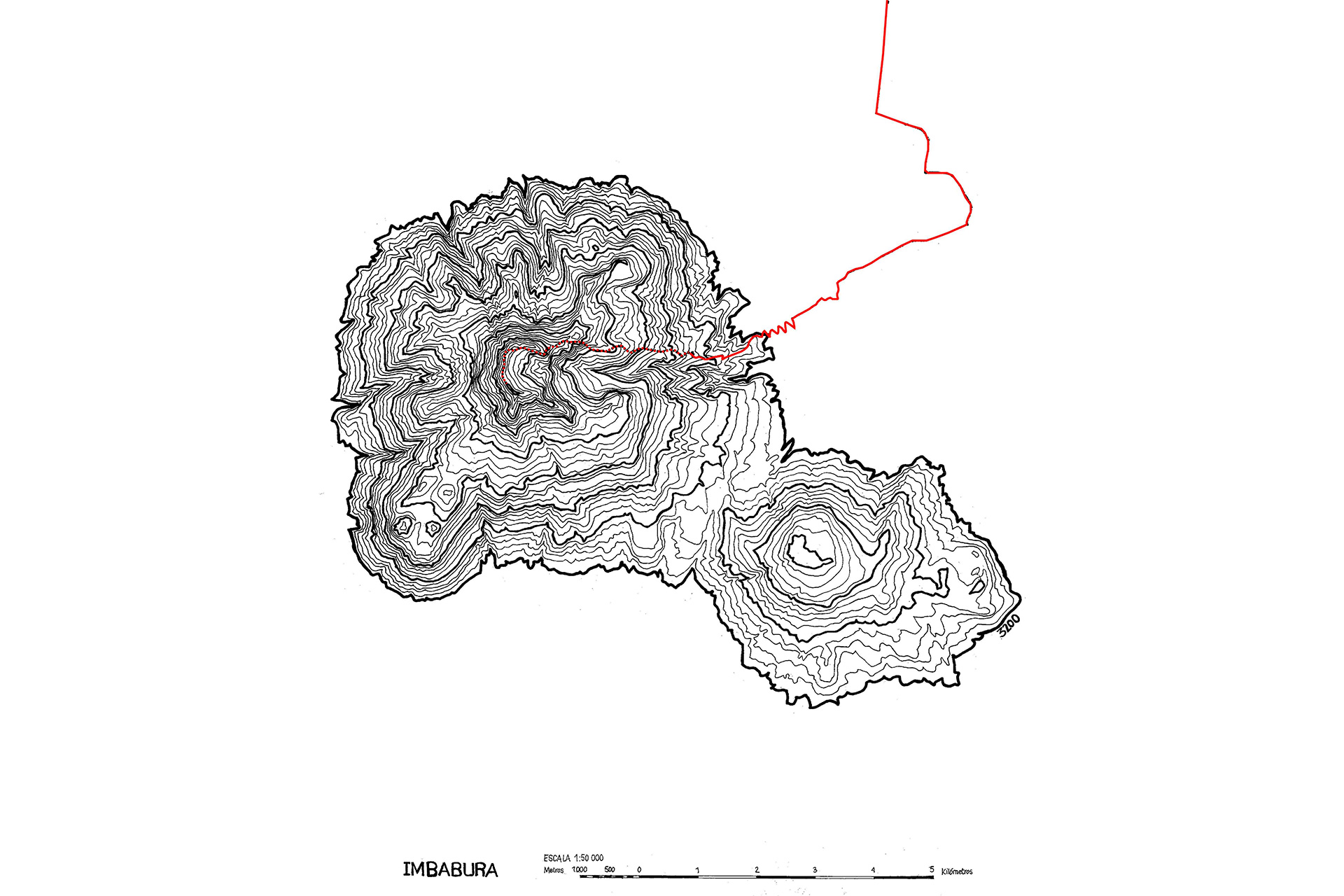
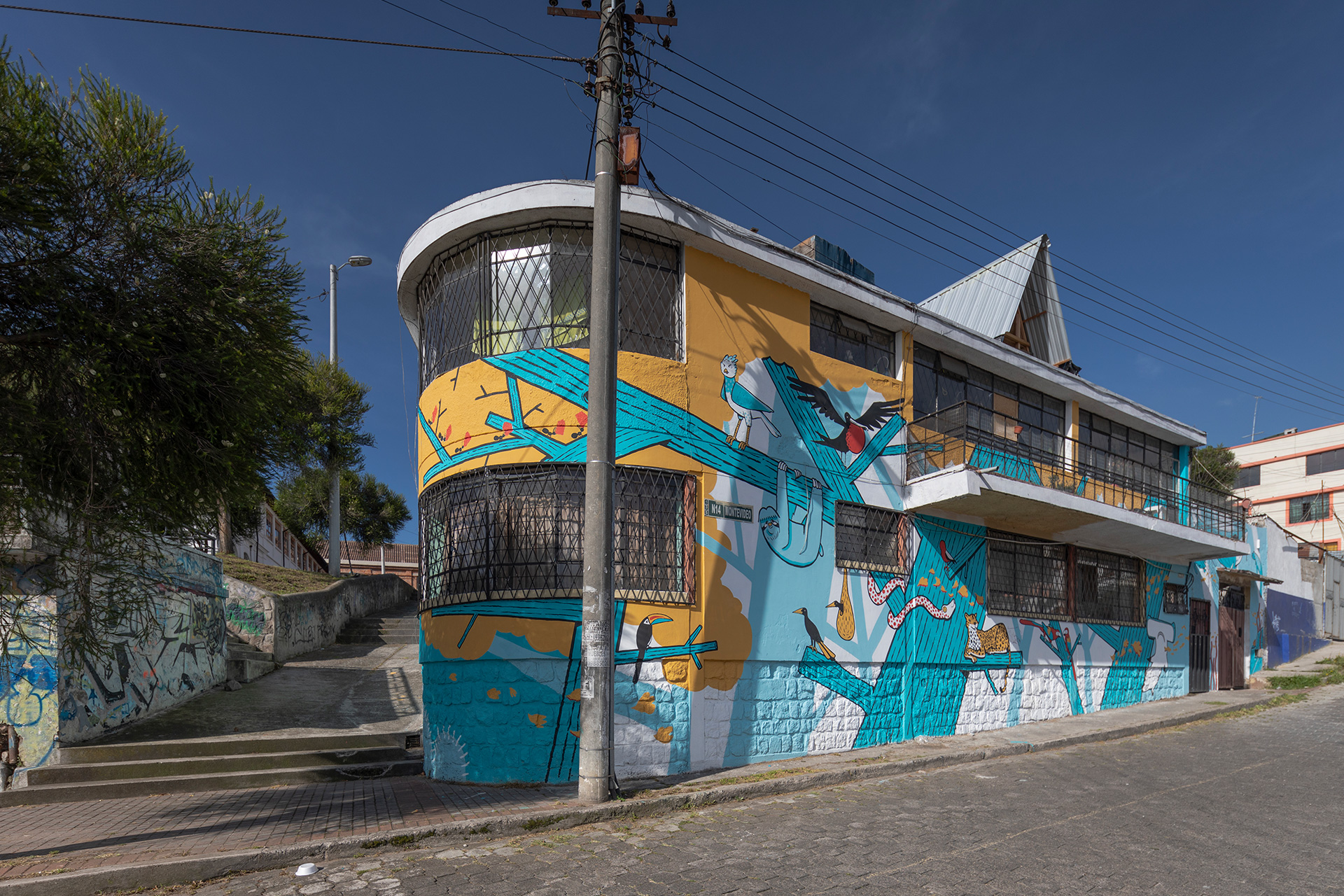
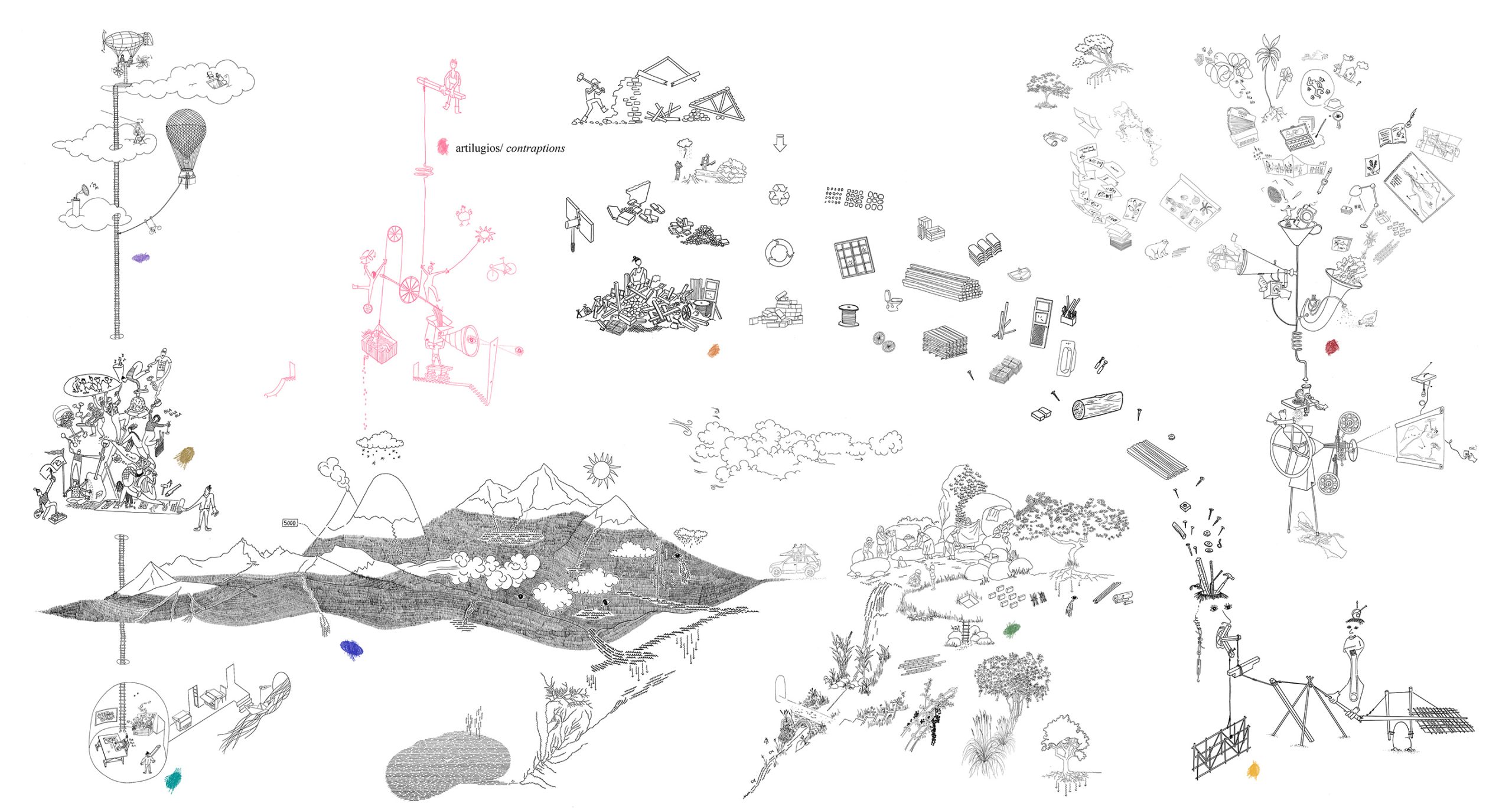
Artilugios/ Contraptions
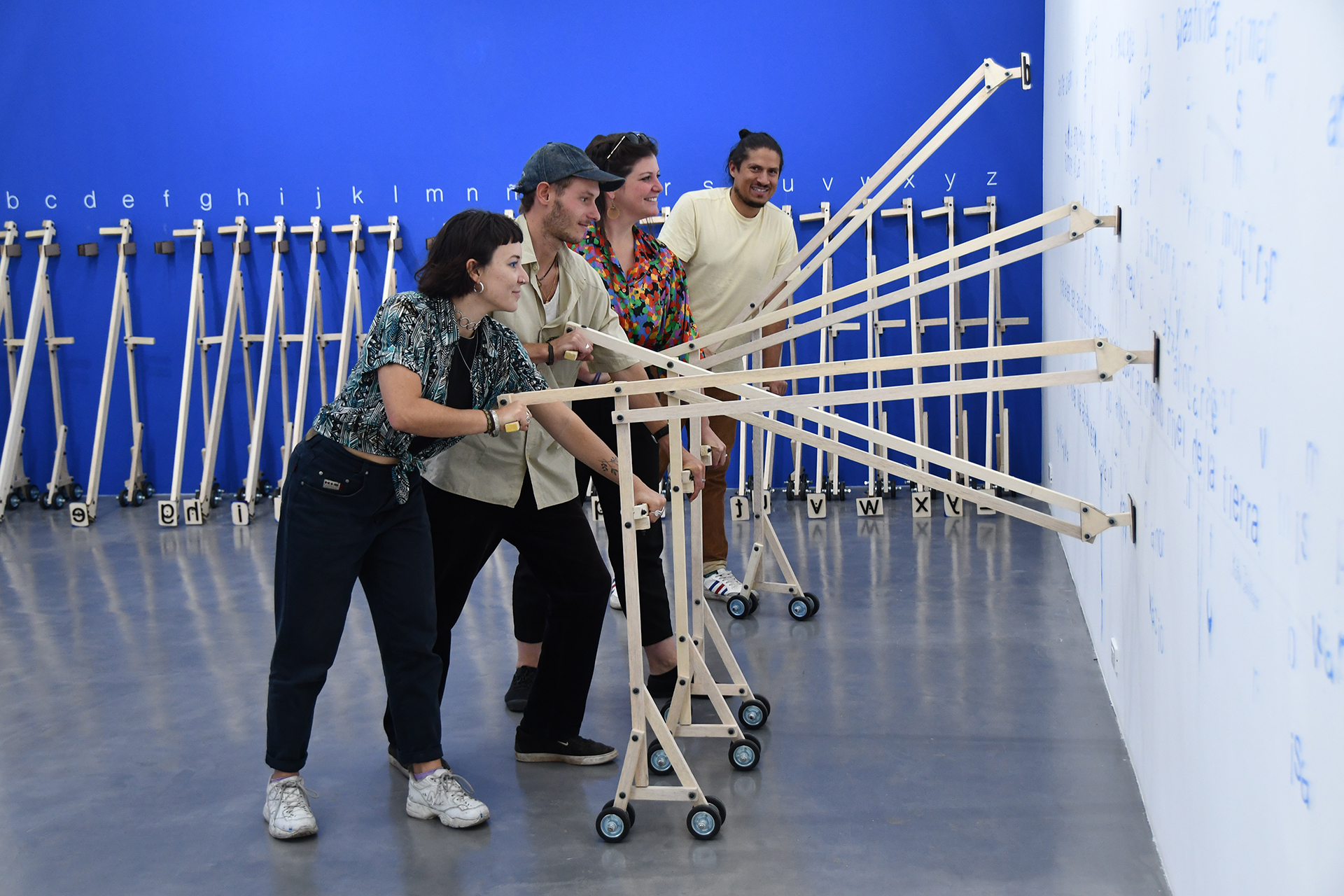
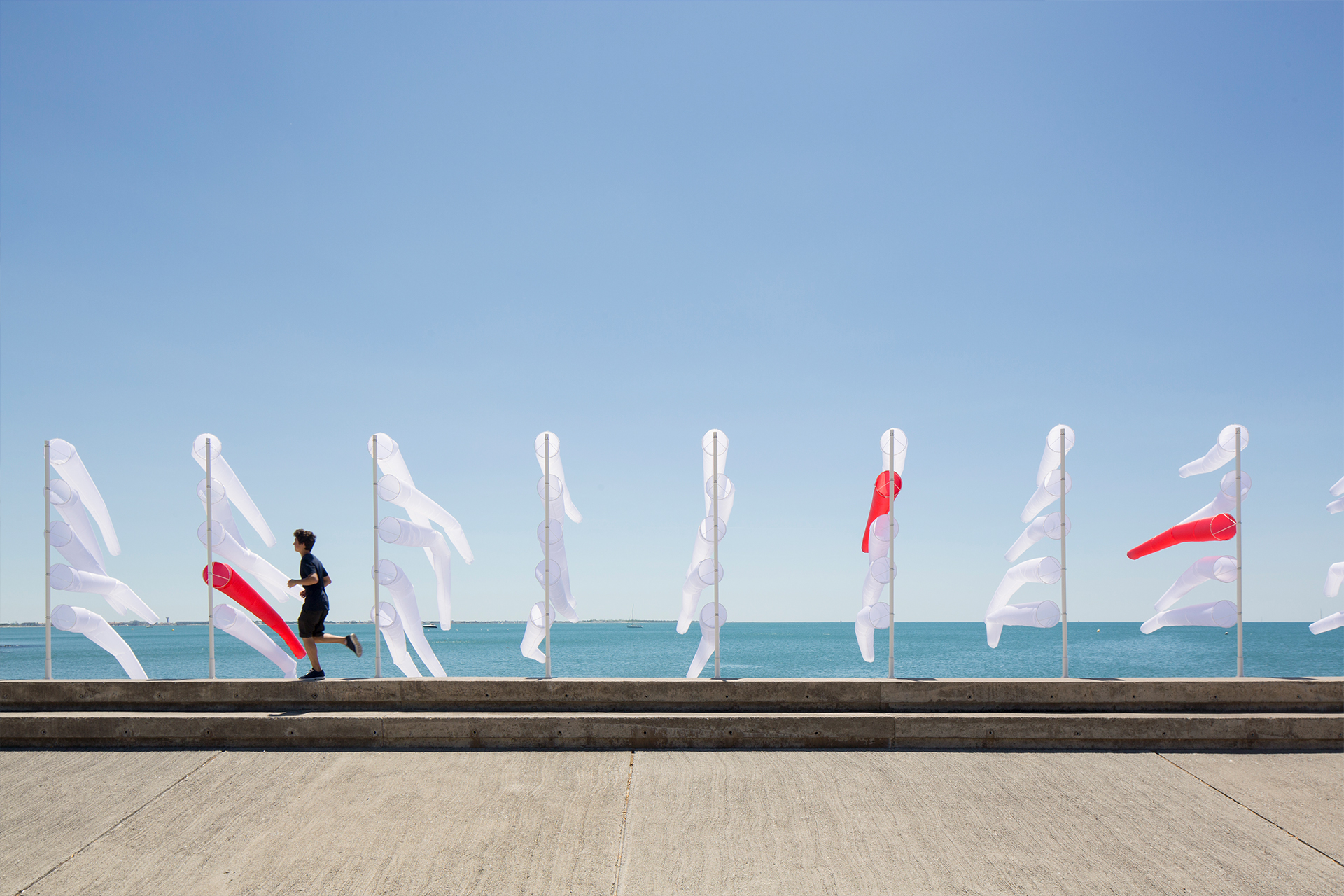
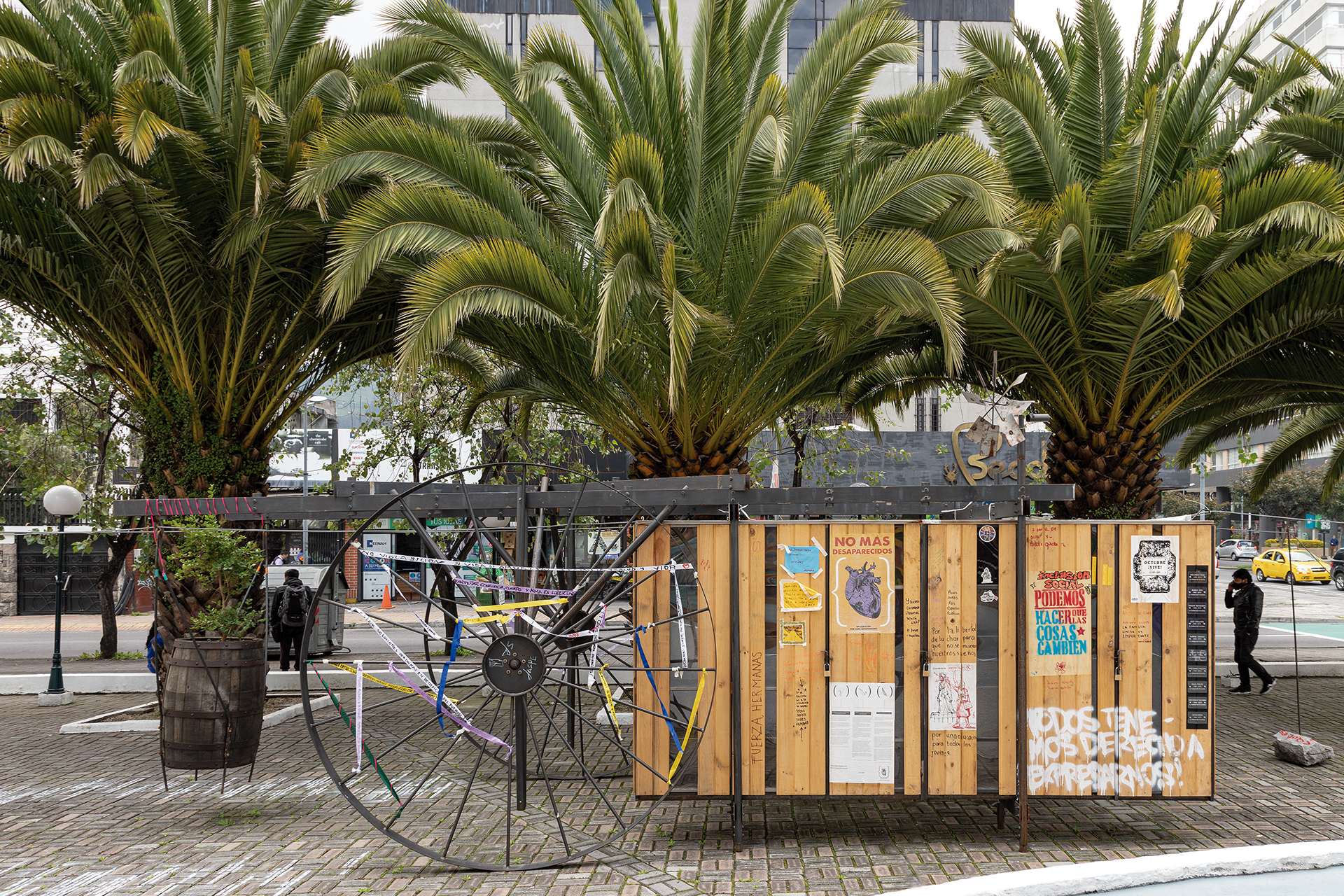
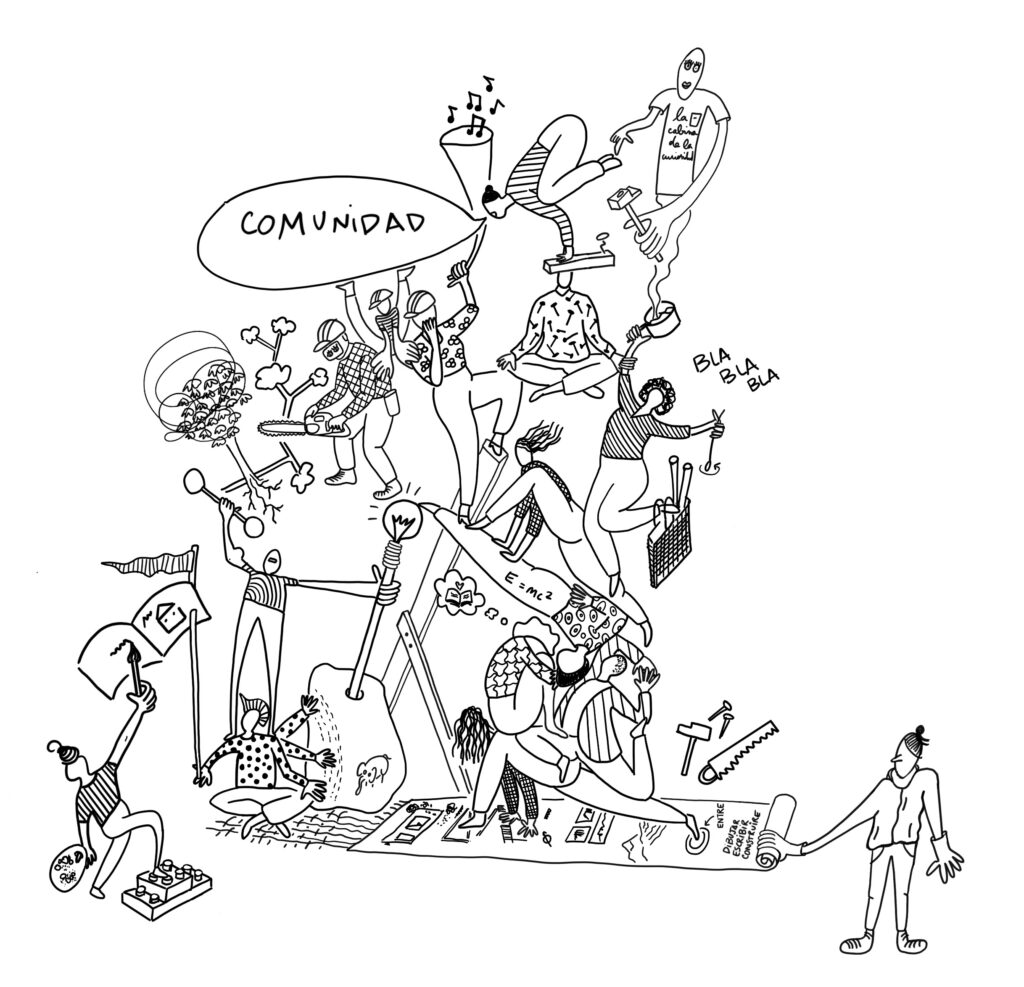
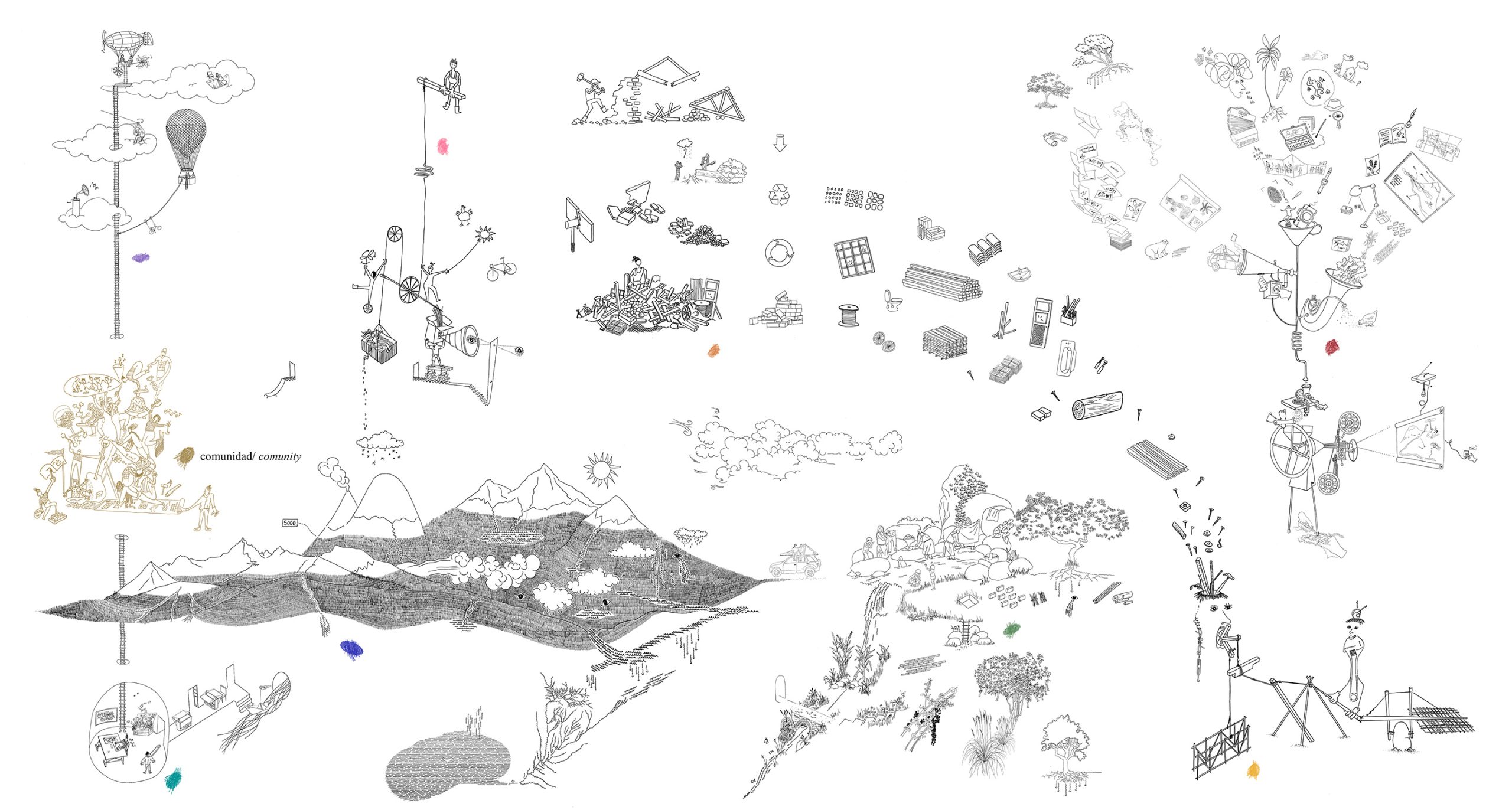
La práctica se sostiene desde el trabajo colectivo y participativo; cada una de las personas involucradas en los distintos proyectos ha aportado de manera valiosa. Somos diversos y nos enriquecemos mediante alianzas de confianza y creatividad para cumplir metas comunes o aprendizajes personales. Los clientes se vuelven piezas fundamentales en nuestra labor; son lazos que aportan energía y determinación para alcanzar los objetivos. A los albañiles que trabajan con nosotros los consideramos los artífices de la arquitectura. El trabajo que realizamos tiene un alto nivel de ejercicio artesanal: ellos ponen sus manos, que contienen inteligencia, sabiduría y dominio del oficio......
Todos nuestros colaboradores han realizado un «trabajo de hormiga», fortaleciendo los procesos. Desde el inicio de nuestro ejercicio como arquitectos, supimos que debíamos enfrentar la profesión desde un involucramiento absoluto, posicionándonos en la construcción de manera más libre, alegre y responsable a través del trabajo manual. Hemos aprendido a trabajar con nuestras propias manos, generando distintos tipos de apropiación y sentido de pertenencia, entendiendo que podemos contribuir en la creación de nuestros espacios. Nos divertimos mientras construimos. Cuando somos más, somos más fuertes y amplificamos nuestra acción; con estas asociaciones podemos perseguir objetivos que, en apariencia, son más distantes.
Es así como se han formado grandes comunidades en torno al obrar, constituyendo un compromiso que confiere unidad y establece tanto el ámbito como el ritmo. Cada uno ha contribuido desde su individualidad, con sus conocimientos y experticia.
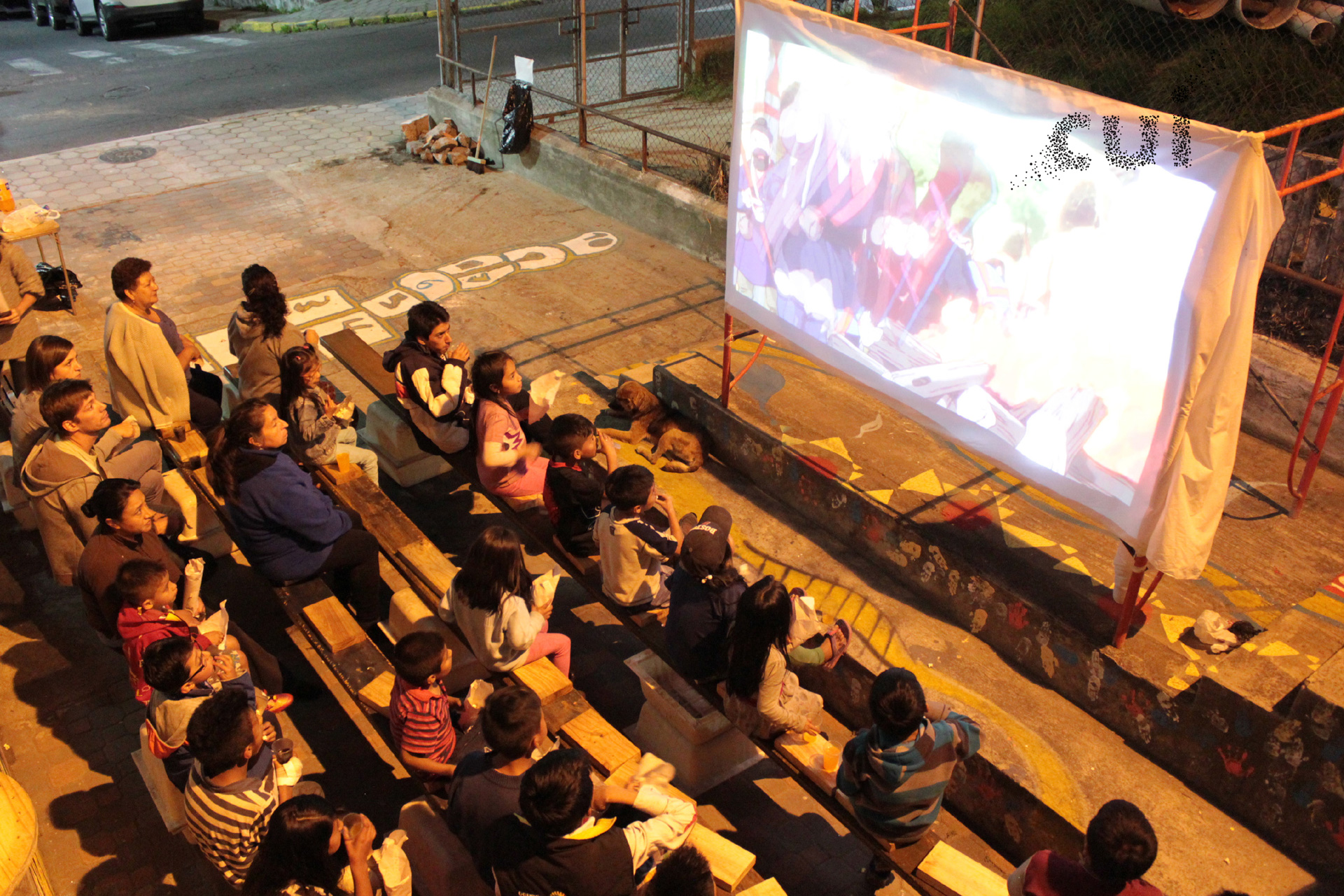
Con el tiempo, hemos sentido que si nos organizamos podemos hacer contribuciones tangibles para la ciudadanía, lo cual nos ha permitido plantearnos nuevos retos. Entendimos que, si concentramos la energía y nos ponemos de acuerdo con colegas, podemos lograr un cambio significativo para el barrio. En 2015 generamos un colectivo de colectivos llamado CUI (Colectivo Urbano Itinerante, 2015-2016), que consistía en la apropiación del espacio público a través de actividades. Se trabajó en dos barrios de la ciudad de Quito: La Tola y La Mariscal.
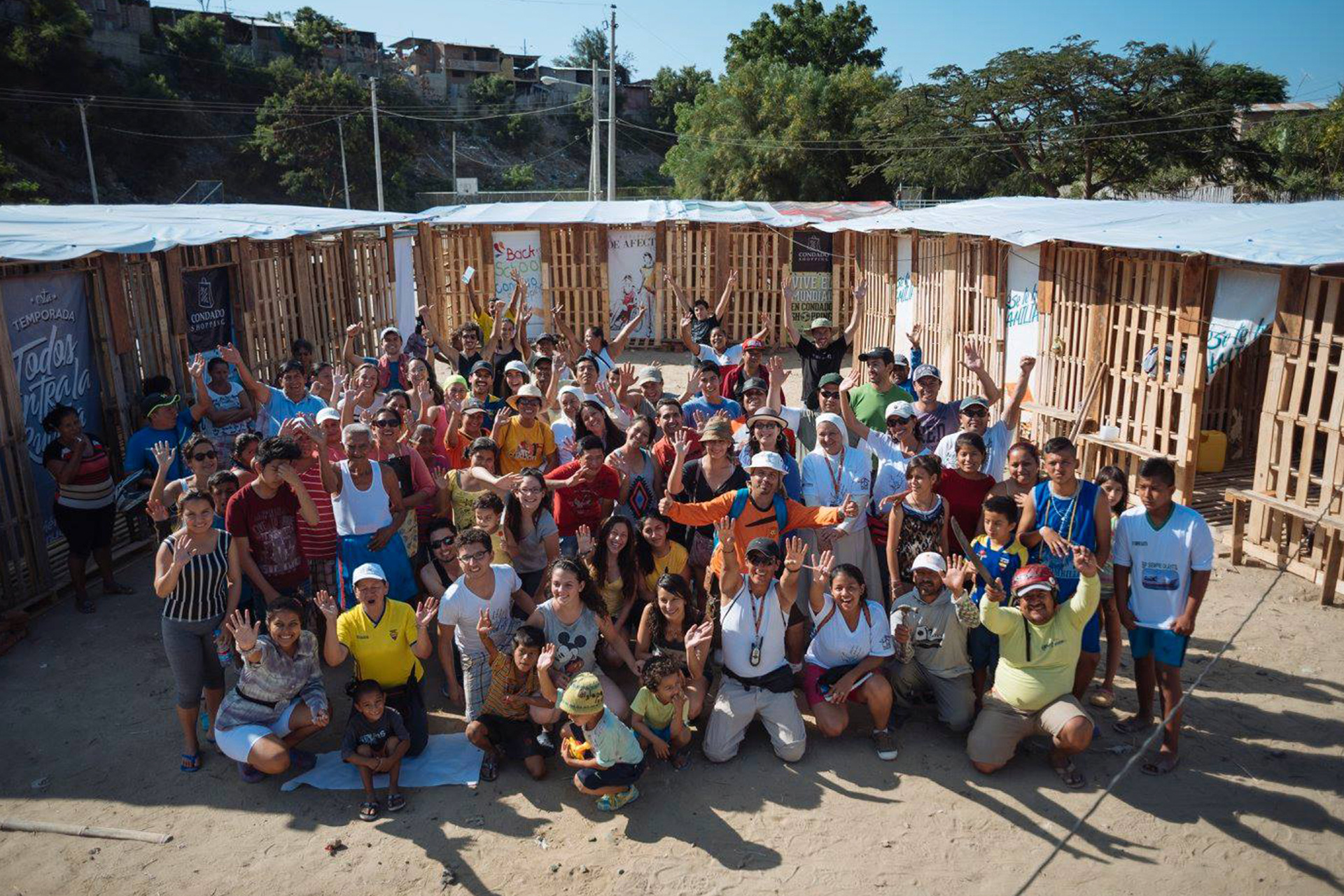
En 2016, ocurrió un terremoto en la costa ecuatoriana. La situación afectó profundamente a la ciudadanía, que buscaba ayudar de alguna manera. En ese momento ya estábamos organizados, lo que nos permitió actuar de forma espontánea. Nos juntamos con diversos grupos de arquitectos y establecimos una organización llamada Actuemos Ecuador; desde nuestra rama, aportamos granitos de arena a los pobladores de la costa.
Desde 2017, comprendimos la importancia de estar con quienes pueden generar cambios sociales en función del bien común. Por ello, creamos una plataforma llamada La República de la Excepción, en la que participan doce agrupaciones: gestores culturales, artistas, ambientalistas, arquitectos y diseñadores, entre otros. El proyecto emblema de esta organización es la petición de una casa en desuso a la municipalidad, con el fin de obtener espacios de trabajo a cambio de generar contenido ciudadano que contribuya a las distintas especialidades de los miembros del grupo.
En ocasiones, la misma arquitectura nos ha llevado a estrechar otros vínculos, como el trueque que establecimos en La Ortiga (2018-2019): el uso de los espacios de una casa a cambio de su rehabilitación. Provocamos el encuentro de personas de distintas especialidades: artistas, diseñadores, músicos, autodidactas y recicladores. Fue una experiencia enriquecedora; entendimos que la casa era un pretexto para estar en comunicación directa con la ciudadanía, el barrio y la ciudad. A través de esta estancia, la casa se convirtió en un ideario urbano con una amplia propuesta de utilización del espacio.
Estas y otras experiencias nos han fortalecido. Hemos cuestionado la manera en la que nos vinculamos con la sociedad, lo que nos ha permitido construirnos como una comunidad amplia. Entre diversas oficinas de Quito y el Ecuador compartimos este espíritu y nos reconocemos como un grupo extenso que se sostiene por una fuerza conjunta.
Our practice is sustained through collective and participatory work; every person involved in our various projects has made a valuable contribution. We are a diverse group, enriched by alliances of trust and creativity to achieve common goals and personal growth for everyone involved. Our clients become fundamental pieces of what we do; these are bonds fueled by energy and determination to reach a shared objective. We consider the masons who work with us to be the true architects; our work involves a high level of craftsmanship, and they provide the hands—hands that hold deep intelligence, wisdom, and mastery of the craft. All our collaborators have carried out «labor of the ants» (trabajo de hormiga), strengthening every process.
......
From the beginning of our career as architects, we knew we had to face the profession through absolute involvement—positioning ourselves within construction in a freer, more joyful, and responsible way through manual labor. We have learned to work with our own hands, generating different types of appropriation and a sense of belonging, understanding that we can contribute directly to the building of our spaces. We have fun while we build. When there are more of us, we are stronger and our actions are amplified; through these associations, we can pursue objectives that might otherwise seem out of reach.
This is how great communities have formed around the act of making, creating a commitment that provides unity and establishes both the scope and the rhythm of the work. Each individual has contributed from their own uniqueness, knowledge, and expertise.
Over time, we have felt that by organizing ourselves, we can make tangible contributions to society, which has allowed us to take on new challenges. We understood that if we concentrate our energy and reach agreements with our colleagues, we can create significant change for the neighborhood. In 2015, we created a «collective of collectives» called CUI (Itinerant Urban Collective, 2015-2016), which focused on the appropriation of public space through community activities in two neighborhoods of Quito: La Tola and La Mariscal.
In 2016, an earthquake struck the Ecuadorian coast. The situation deeply affected the entire country, and people were looking for ways to help. Since we were already organized at that moment, we were able to act spontaneously. We joined many other groups of architects and established an organization called Actuemos Ecuador; from our field, we contributed our «grain of sand» to help the coastal communities.
Since 2017, we have understood the importance of aligning ourselves with those who can generate social change for the common good. Because of this, we created a platform called La República de la Excepción (The Republic of Exception), which involves twelve groups: cultural managers, artists, environmentalists, architects, and designers, among others. The flagship project of this organization is a petition to the municipality for a disused house, aiming to secure workspaces in exchange for generating civic content that contributes to the various specialties of the group members.
At times, architecture itself has led us to strengthen other bonds, such as the barter system we established at La Ortiga (2018-2019): using the house’s spaces in exchange for its rehabilitation. We brought together people from different backgrounds—artists, designers, musicians, self-taught individuals, and recyclers. It was a rich experience; we understood that the house was a pretext for direct communication with the citizens, the neighborhood, and the city. Through this residency, the house became an urban vision with a broad proposal for the use of space.
These and other experiences have strengthened us. We have questioned the way we relate to society, which has allowed us to build ourselves as a broad community. Among many offices in Quito and across Ecuador, we share this spirit and recognize ourselves as an extensive group sustained by a collective force.
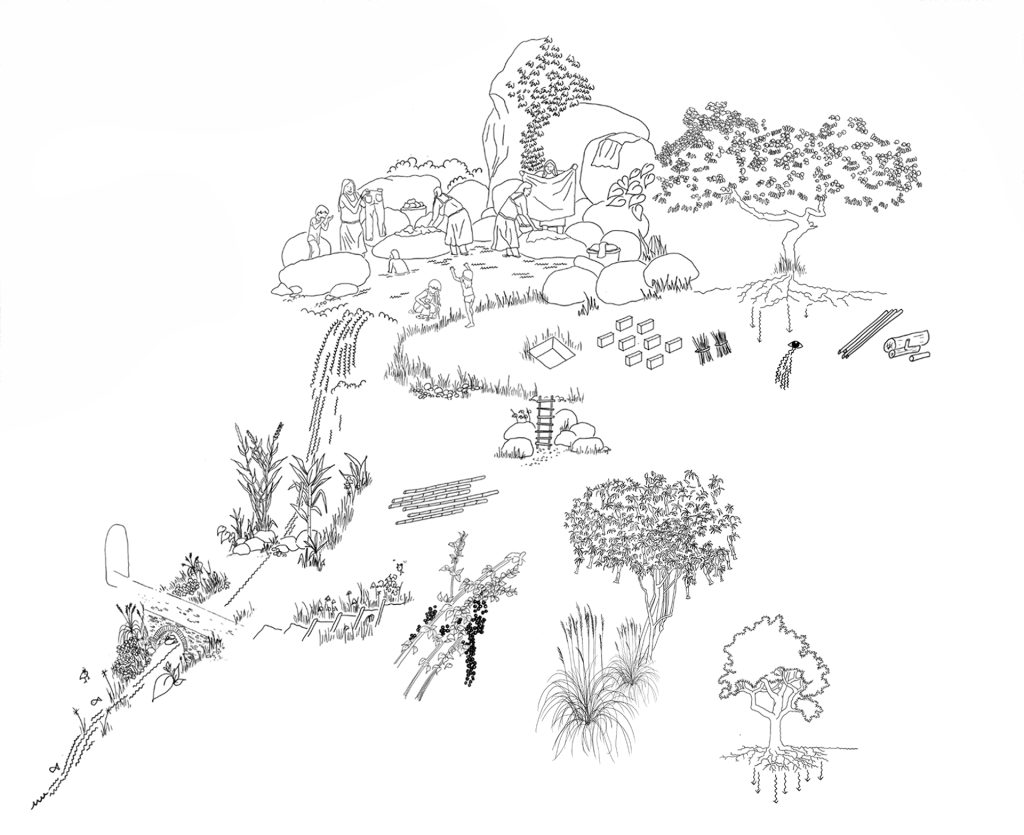
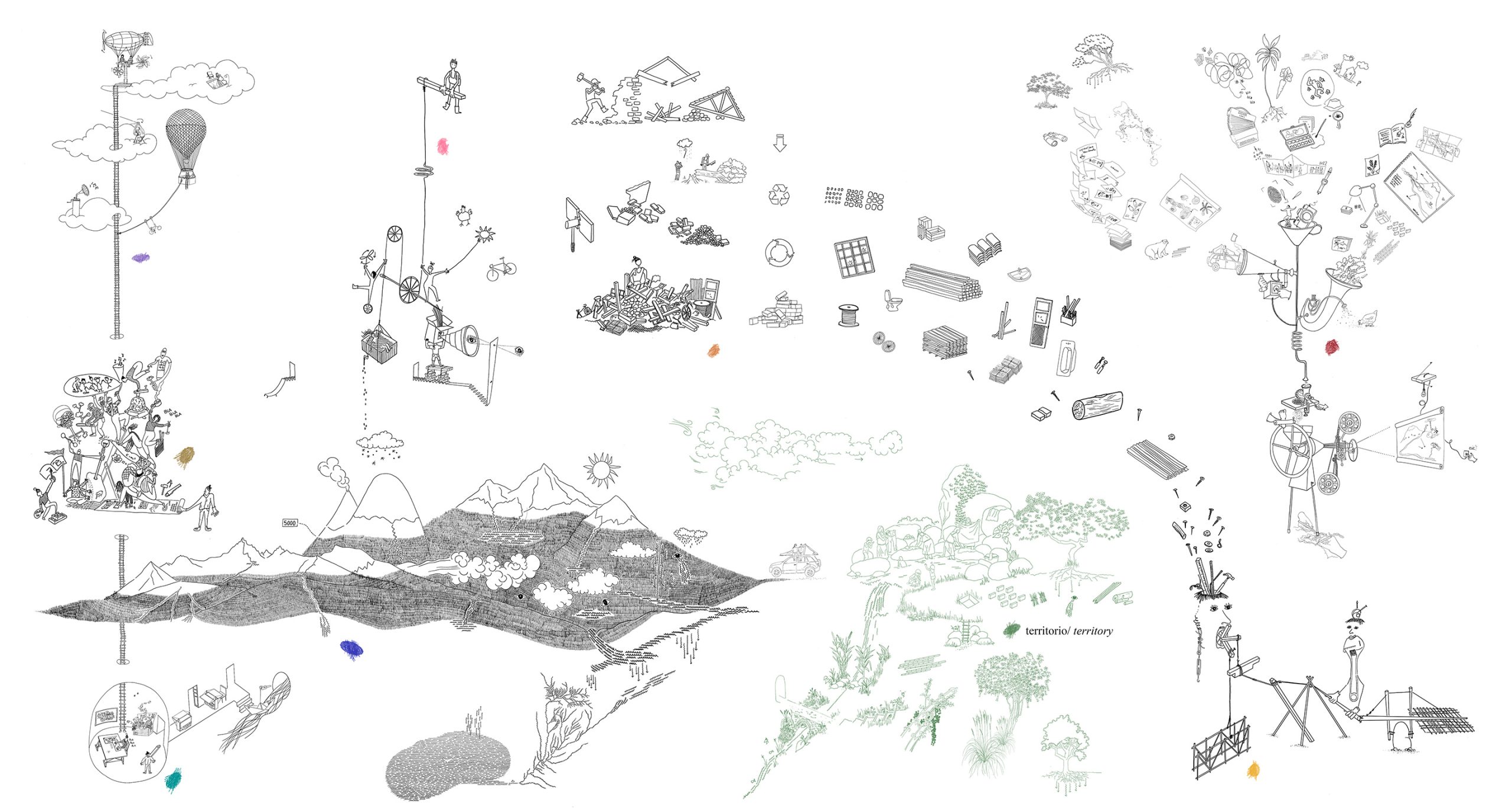
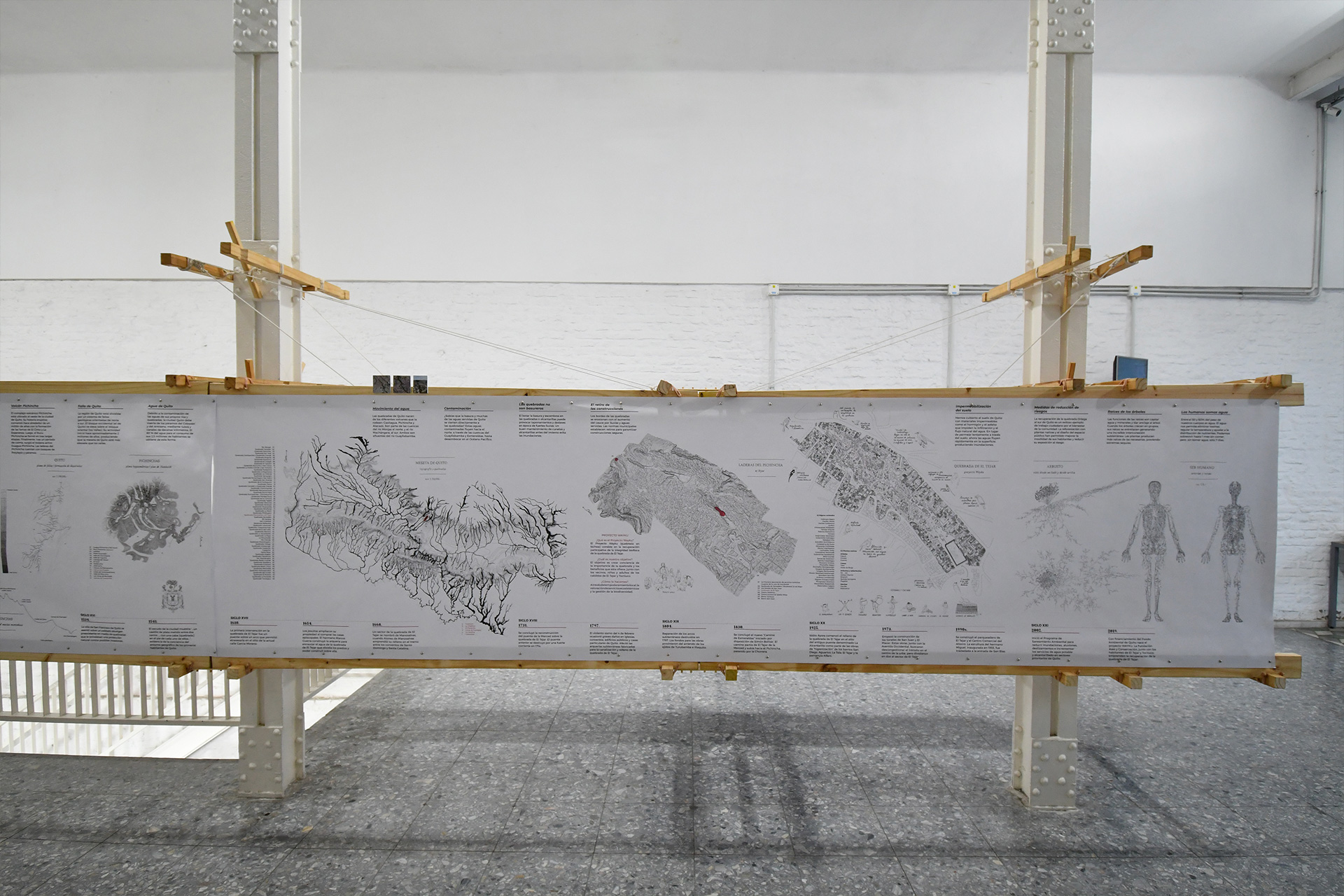
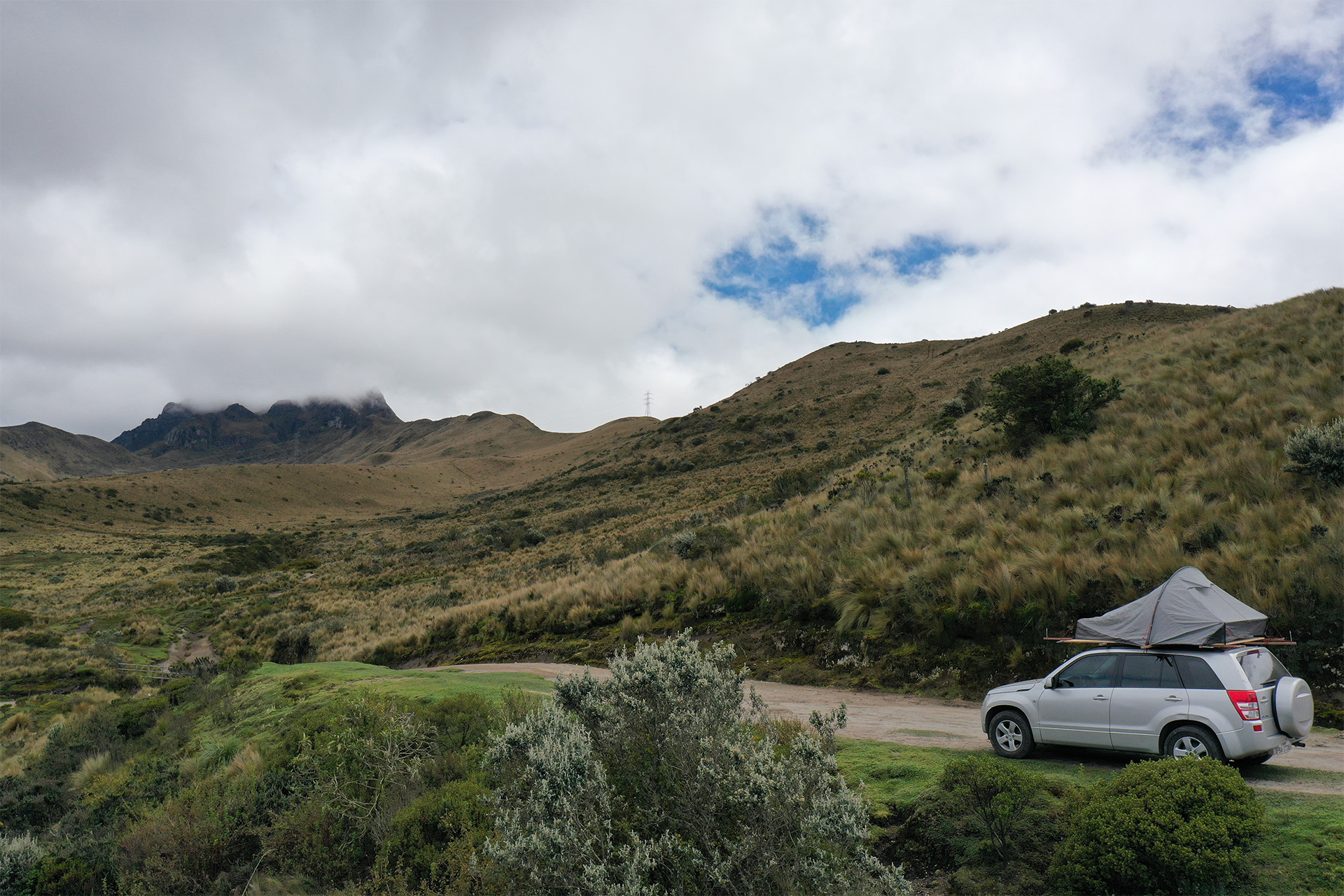
Leemos el territorio como una plataforma de intercambios, de asentamientos humanos y naturales que se puede medir, asimilar, palpar y vivir. Es esa única plataforma continua que sostiene y converge todo lo que está ocurriendo. Hablar sobre la "idea del todo" abruma; por eso, la información se digiere poco a poco. Entender las circunstancias fundamentales de nuestro lugar nos permitirá tomar mejores decisiones en nuestro accionar como modificadores de la realidad
...
El territorio para nosotros siempre ha estado latente desde un pensamiento adyacente; ahora lo asimilamos como lo más importante de nuestra disciplina. Con el transcurrir del tiempo, hemos logrado realizar mejores lecturas de nuestra obra; a partir del territorio logramos obtener mejores respuestas. Estamos en un proceso continuo de "quitar la lupa" de la arquitectura para entender las complejidades de la realidad: sociales, culturales, históricas, ambientales y económicas. Día a día seguimos nutriéndonos y ampliando nuestros aprendizajes. La arquitectura ha sido el puente para entender otras problemáticas profundas y, a partir de ello, generar empatía; no solo entre los seres, sino con el lugar donde nos desarrollamos y sus interrelaciones.
Reconocer el lugar donde vivimos puede ser una tarea dura debido a la costumbre y lo cotidiano. La información está ahí; lo que se necesita es asentarla y sensibilizarse ante ella para que, sobre esa base, se pueda trabajar desde lo que el territorio reclama.
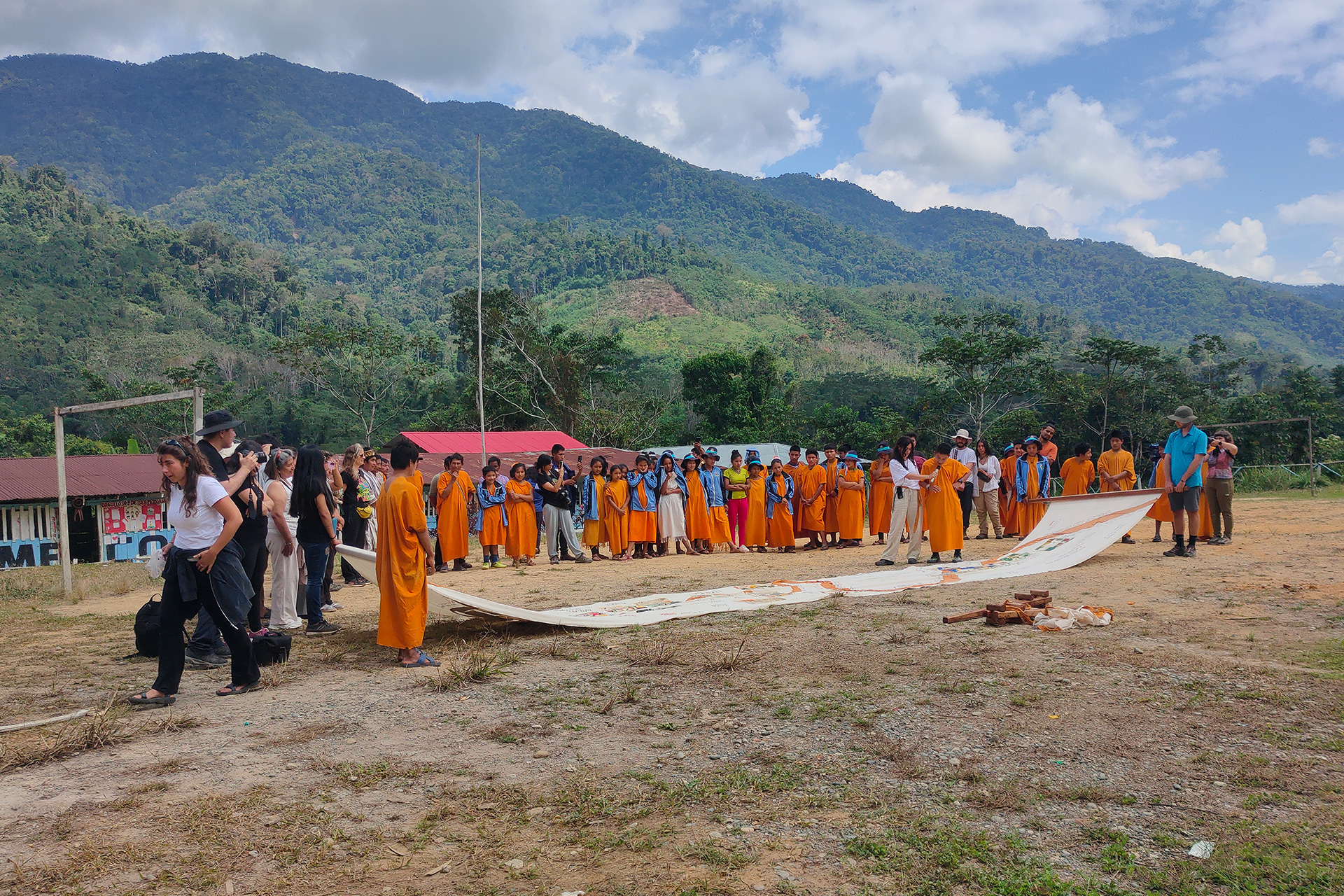
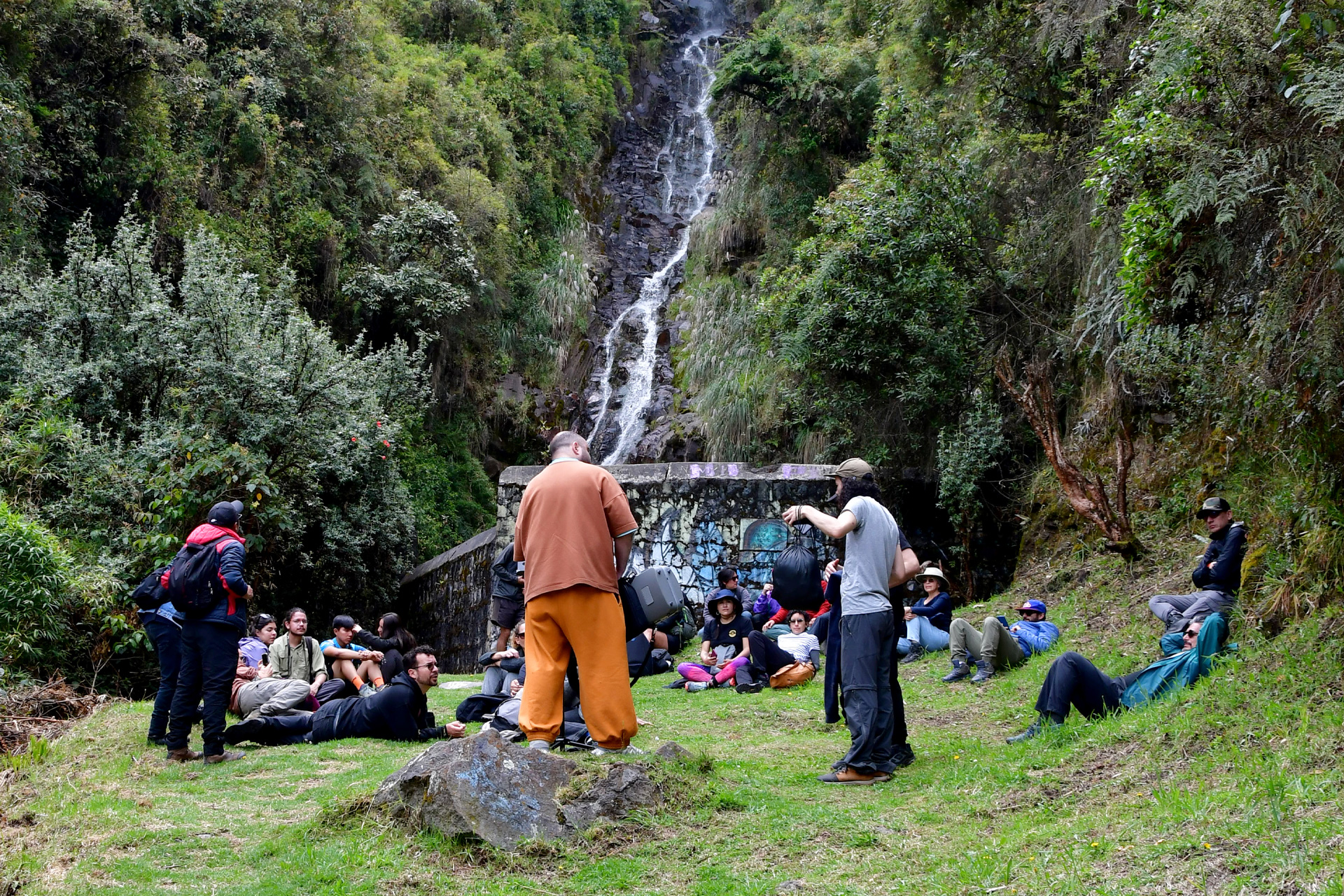
Como punto de partida, proponemos la absorción de los estímulos de la realidad a través de los sentidos. No hay una lógica establecida para este momento creativo; el cometido es cargarse de datos. Por ello, el proceso siempre puede ser distinto: cada ocasión es una oportunidad para generar metodologías estimulantes basadas en un pensamiento lúdico que nos otorgue autonomía para que la realidad sea, al mismo tiempo, inspiradora y desafiante.
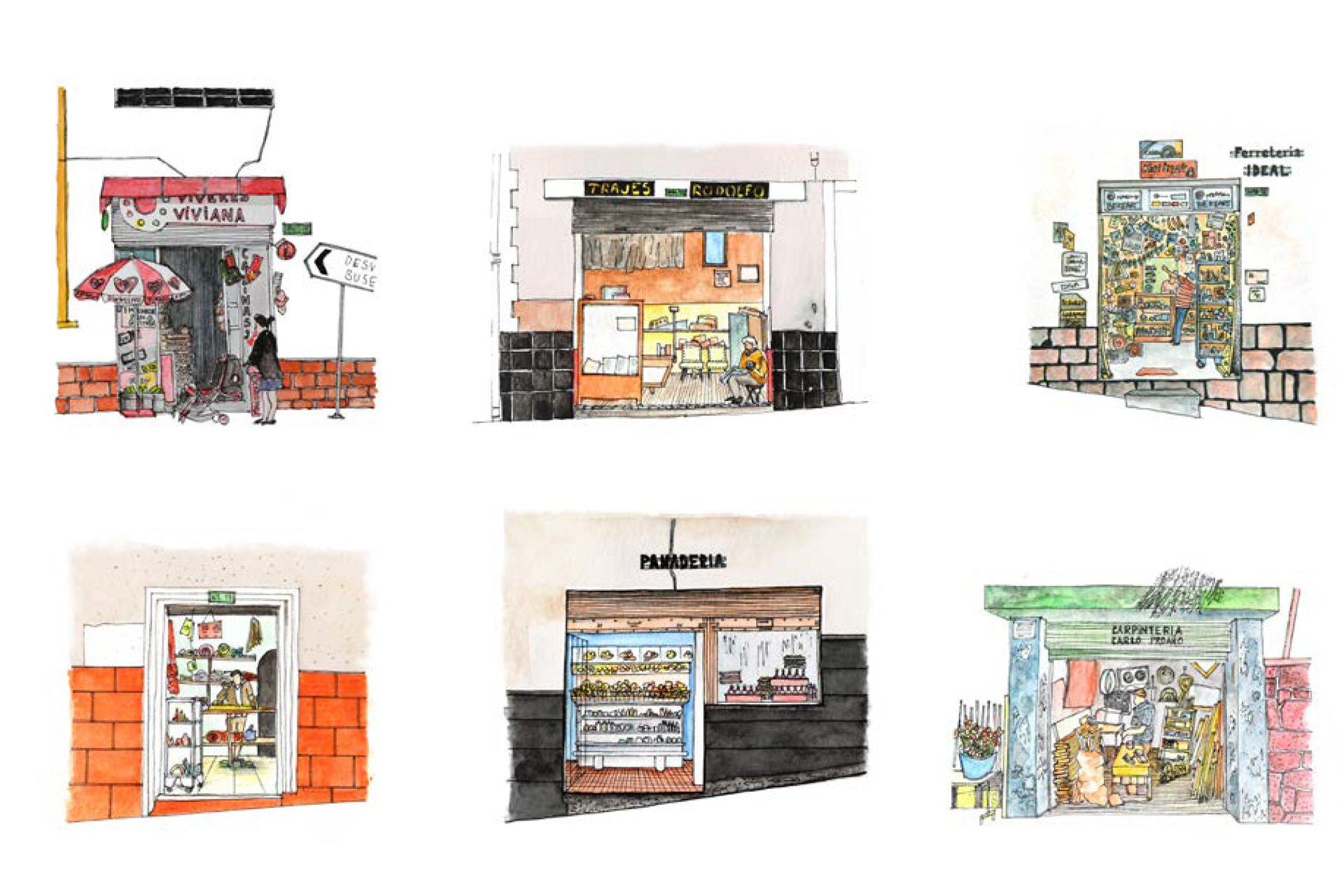
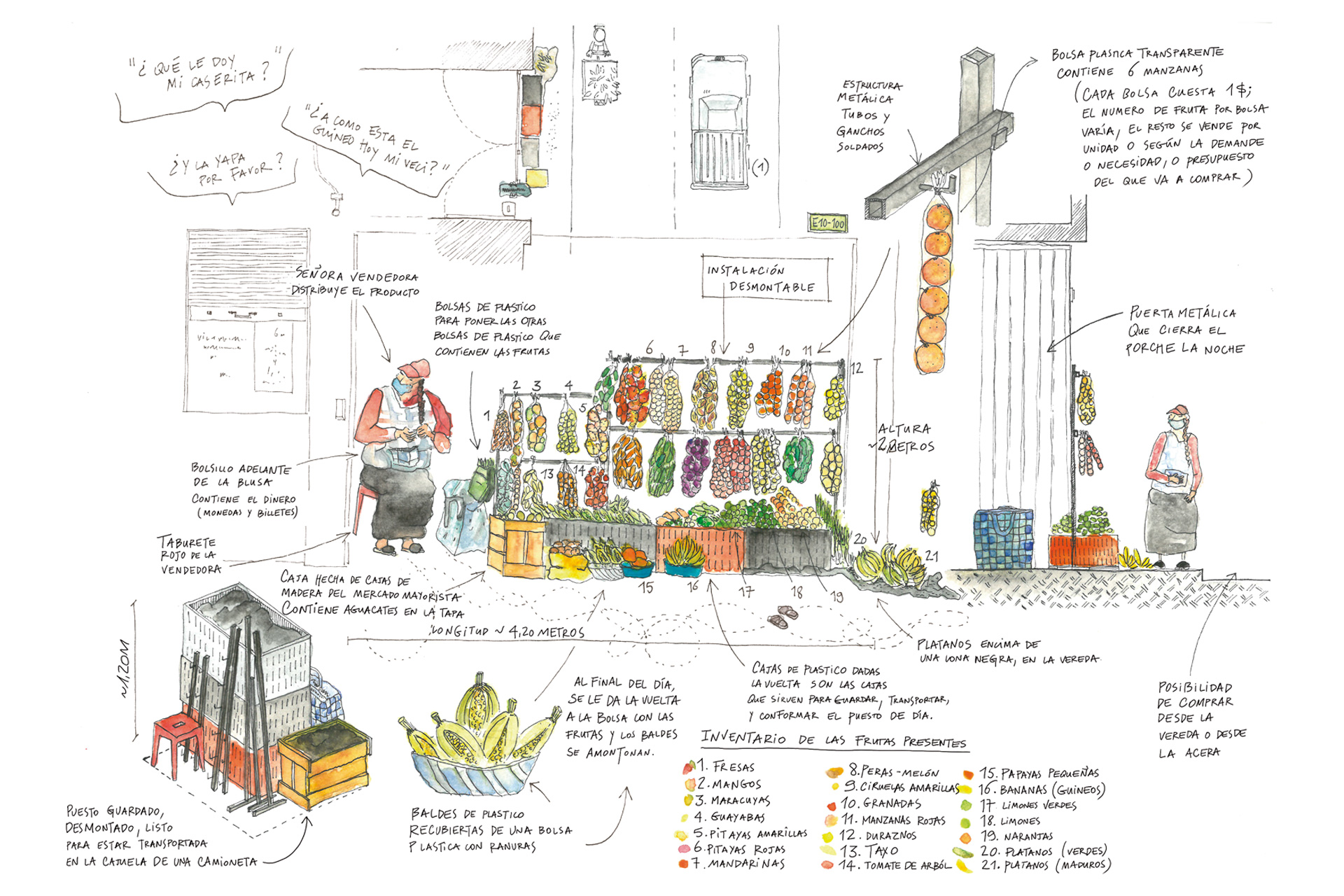
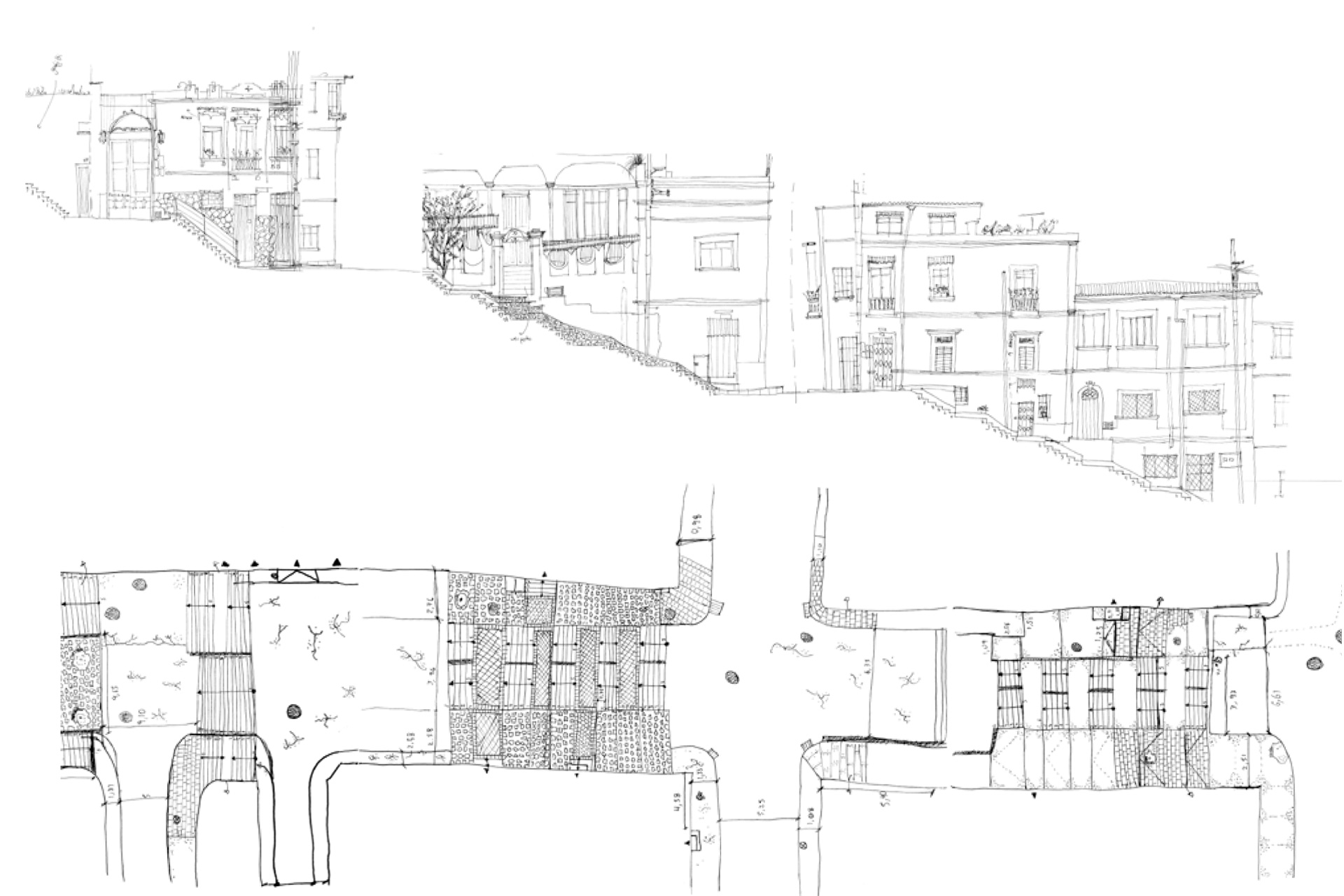
Una de las formas clave de indagar ha sido la observación, ya que es un acto que realizamos a cada momento, incluso de forma inconsciente. Por este motivo, proponemos una expansión de la mirada: estar atentos, ver qué está ocurriendo, preguntarse, cuestionarse y conectar elementos. Planteamos relaciones dentro de un entorno complejo que ofrece un sinnúmero de alternativas; consideramos que todo se convierte en una oportunidad maravillosa.
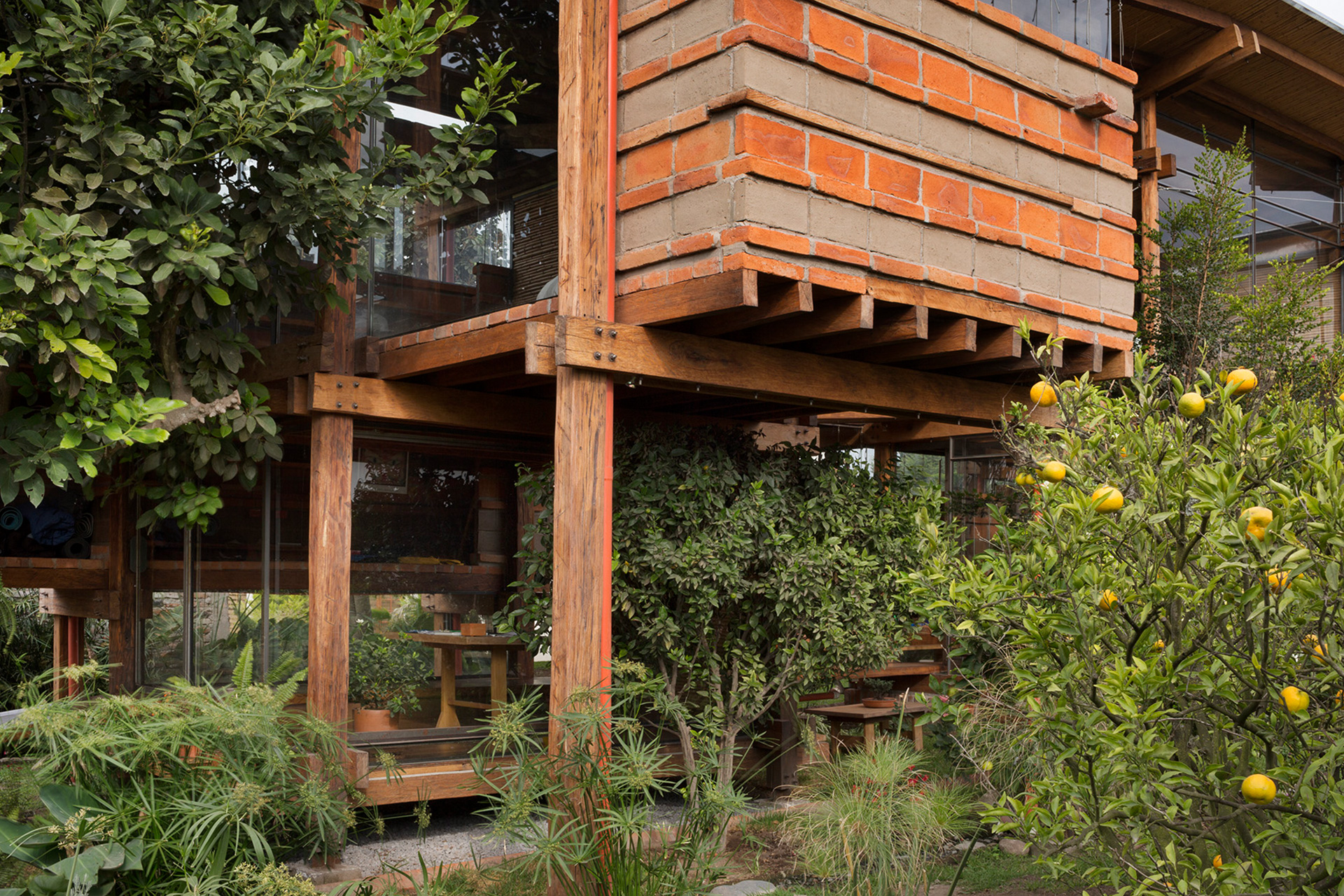
Al principio, empleamos estas investigaciones visuales para reconocer distintos desechos urbanos presentes en cada rincón. Esto nos reveló oportunidades materiales que aprendimos a reciclar, ocupando materiales no convencionales y diversos provenientes del entorno urbano. Esta metodología también nos ha servido en obras de rehabilitación para entender y valorar las preexistencias: materialidades, el tiempo pasado, la historia, los hechos humanos, las acciones y los usos. Esto nos ha llevado a análisis minuciosos del lugar, evidenciando todas sus sutilezas. Hemos extendido estas indagaciones hasta alcanzar una escala de ciudad, captando la importancia de la vida en todas sus expresiones y concibiendo la trascendencia de los elementos que necesitamos para vivir.
We read the territory as a platform of exchanges, of human and natural settlements that can be measured, assimilated, felt, and lived. It is that single continuous platform that sustains and converges everything occurring within it. Talking about the "idea of the whole" is overwhelming; therefore, information must be digested little by little. Understanding the fundamental circumstances of our place will allow us to make better decisions in our actions as modifiers of reality....
For us, the territory has always been latent through an adjacent thought; now, we assimilate it as the most important element of our discipline. Over time, we have managed to conduct better readings of our work; through the territory, we obtain better answers. We are in a continuous process of "removing the magnifying glass" from architecture to understand the complexities of reality: social, cultural, historical, environmental, and economic. Day by day, we continue to nourish ourselves and expand our learning.
Architecture has served as the bridge to understand other profound issues and, from there, generate empathy—not only between beings but with the place where we develop and its interrelations.
Recognizing the place where we live can be a difficult task due to habit and the mundane. The information is there; what is needed is to settle it and become sensitized to it so that, based on that foundation, we can work according to what the territory demands.
As a starting point, we propose the absorption of reality's stimuli through the senses. There is no established logic for this creative moment; the mission is to load oneself with data. Therefore, the process can always be different: every occasion is an opportunity to generate stimulating methodologies based on playful thinking that grants us the autonomy for reality to be, at once, inspiring and challenging.
One of the key ways of inquiring has been observation, as it is an act we perform at every moment, even unconsciously. For this reason, we propose an expansion of the gaze: staying alert, seeing what is happening, questioning, and connecting elements. We propose relationships within a complex environment that offers countless alternatives; we consider that everything becomes a wonderful opportunity.
Initially, we used these visual investigations to recognize various urban wastes found in every corner.
This revealed material opportunities that we learned to recycle, utilizing non-conventional and diverse materials from the urban environment. This methodology has also served us in rehabilitation projects to understand and value pre-existences: materialities, past time, history, human facts, actions, and uses. This has led us to meticulous analyses of the site, revealing all its subtleties. We have extended these visual inquiries to a city scale, capturing the importance of life in all its expressions and conceiving the transcendence of the elements we need to live.
arquitectura
obra comunitaria
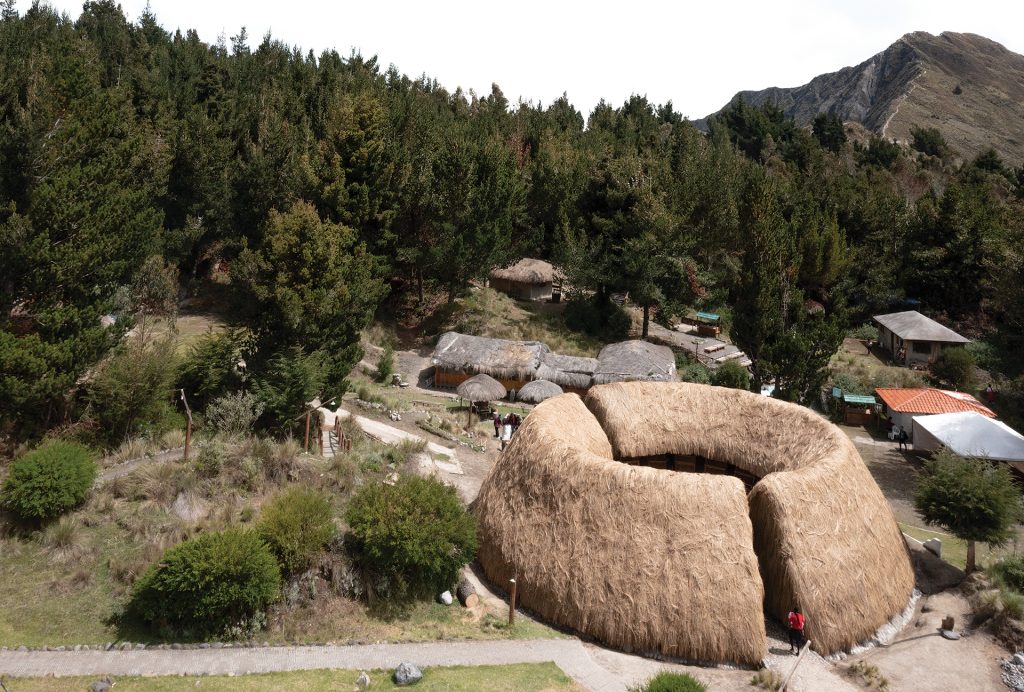
Centro de Artesania Chaki Wasi.
Quilotoa, Ecuador.
2024
arquitectura
equipamientos
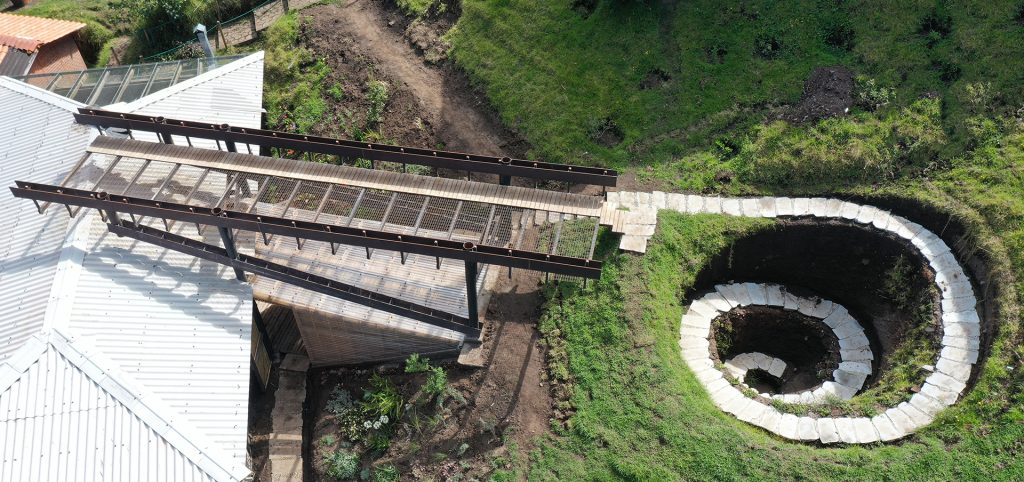
Un Paraíso en el Ilaló.
El Tingo, Ecuador.
2021
arquitectura
obra comunitaria
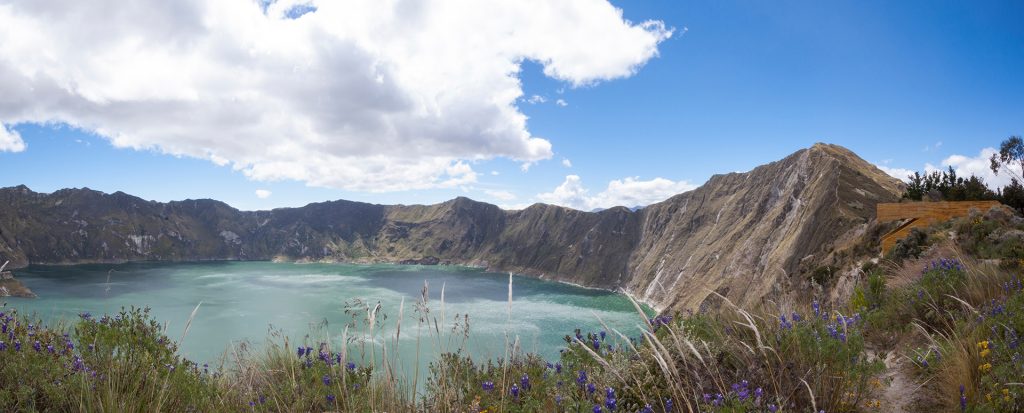
Mirador del Quilotoa en Shalalá.
Quilotoa, Ecuador.
2013
arquitectura
equipamientos
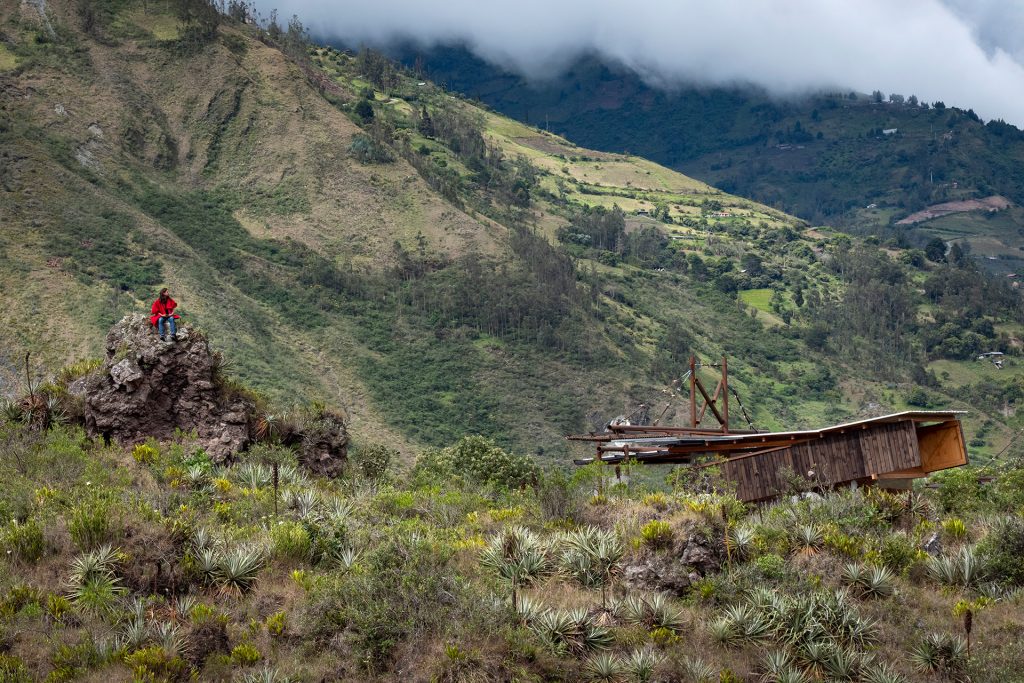
Hospedaje en la Cantera, viendo al Tungurahua.
Baños, Ecuador.
2022
arquitectura
obra comunitaria
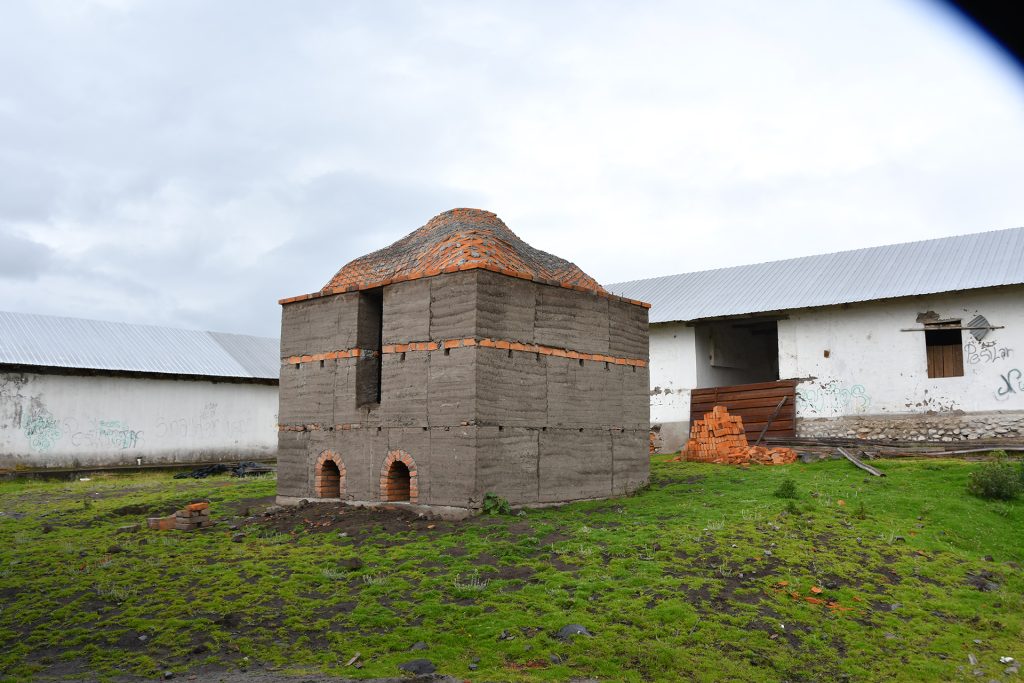
El horno de Tejas y Ladrillos para la recuperación.
Pesillo, Ecuador.
2025
arquitectura
vivienda
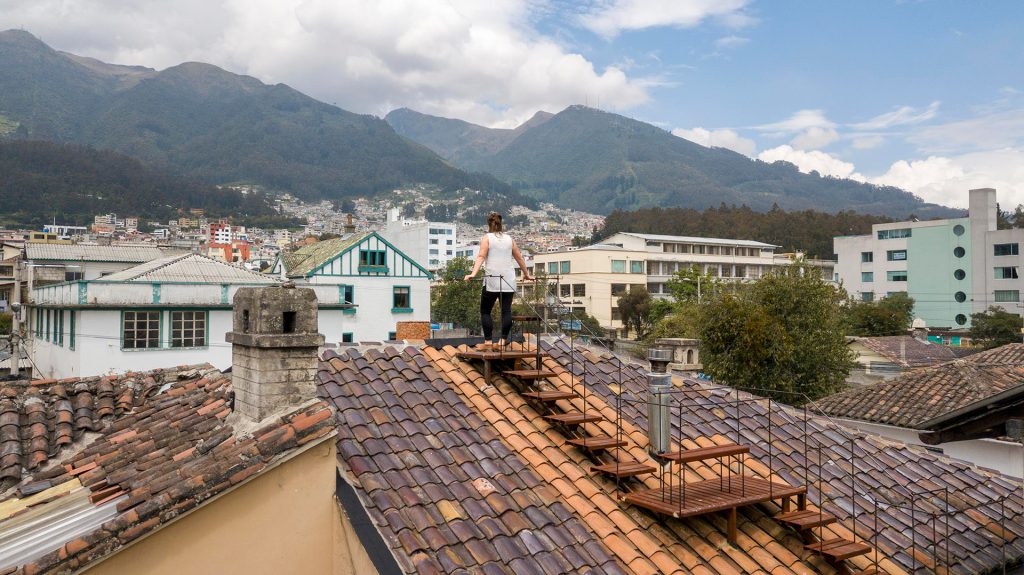
Observatorios al Cóndor Huachana.
Quito, Ecuador.
2019
arquitectura
obra comunitaria
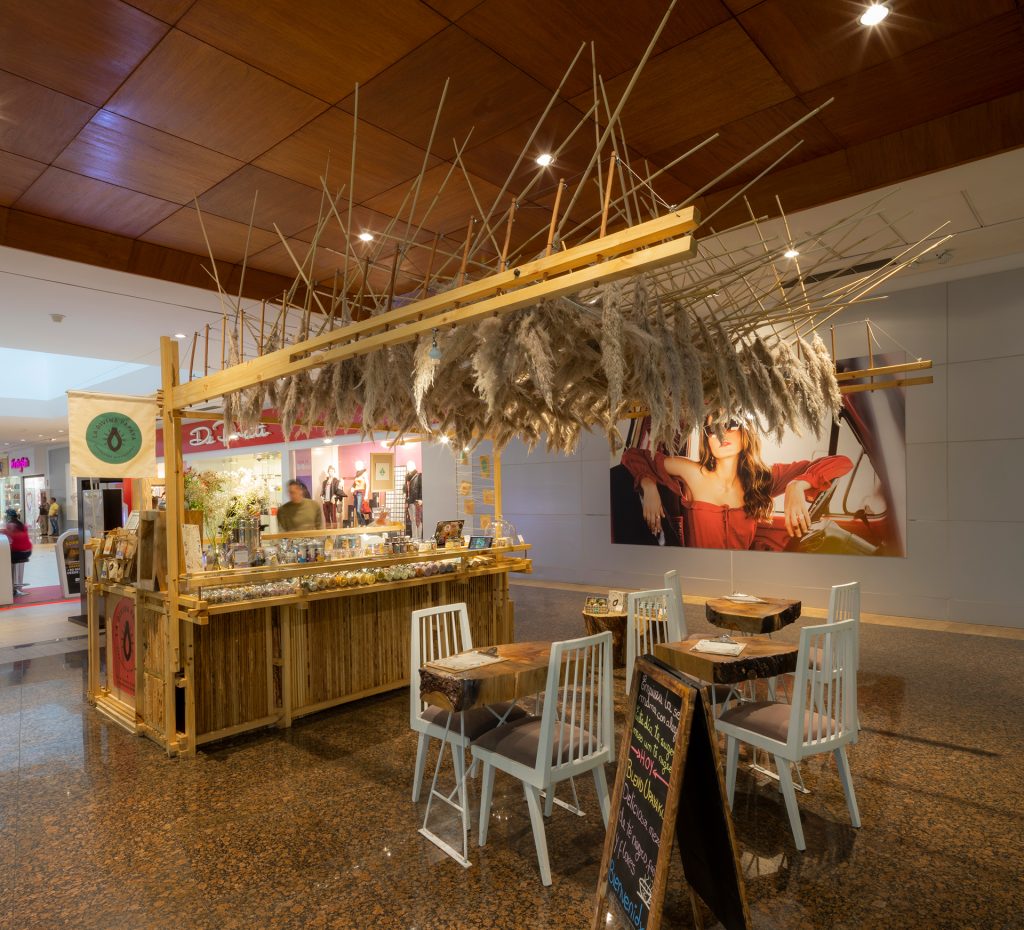
Stand de la Divina Papaya.
Quito, Ecuador.
2018